


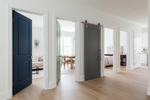
Interior door colors are no longer an afterthought or something that simply matches the trim. In 2026, interior doors are increasingly treated as intentional design elements that shape mood, highlight architectural details, and create cohesion throughout the home. Whether you prefer subtle neutrals, bold statement shades, or natural wood finishes, choosing the right interior door color can dramatically elevate your space.
This guide explores why interior door color matters, the top color trends for 2026, and how to choose the best option based on your home’s layout, decor, and lifestyle.
Why Interior Door Color Matters
Interior doors occupy a large visual surface area, especially in hallways, open-plan homes, and spaces with multiple doorways. Their color directly affects how calm, cohesive, or dynamic an interior feels.
From a design standpoint, door color can create contrast or continuity with walls and floors, highlight panel detailing or modern profiles, and function as either a subtle backdrop or a focal point. From a practical perspective, certain colors and finishes hide wear, fingerprints, and scuffs better than others, an important consideration in busy households.
Interior door color also influences how space is perceived. Lighter tones help rooms feel more open and airy, while darker shades add depth, structure, and a sense of sophistication when used intentionally.
Durability plays a role as well. Factory-finished and laminated interior doors maintain color consistency over time and resist everyday wear better than site-painted surfaces, making them especially suitable for darker or more expressive color choices.

Top Trending Interior Door Colors for 2026
Interior door color trends in 2026 reflect a balance between calm, nature-inspired palettes and confident, expressive accents. Rather than following a single dominant look, homeowners are choosing colors that support both design style and everyday living.
Modern Neutrals: Cloud White, Warm Greige, Stone Gray
Neutral interior door colors remain the most popular choice, but the trend has shifted away from stark, cool whites toward warmer, softer tones.
-
Cloud white door offers a clean look without feeling clinical
-
Warm greige bridges beige and gray, making it highly versatile
-
Stone gray door adds subtle contrast while remaining understated
These colors work especially well in contemporary and transitional homes, creating smooth visual flow between rooms.

Bold & Dramatic: Charcoal Black, Deep Navy
Dark interior door colors continue to gain popularity in modern and high-end interiors.
-
Charcoal black creates strong architectural definition
-
Deep navy adds richness without the harshness of pure black
These colors are most effective when paired with lighter walls, quality hardware, and durable finishes. Laminated and factory-finished doors are ideal for dark tones, as they help maintain a clean appearance over time.

Nature-Inspired Greens: Sage, Forest, Olive
Green is one of the most influential interior door color trends for 2026, driven by the continued rise of biophilic design.
-
Sage green feels calm and understated
-
Forest green adds depth and luxury
-
Olive tones bring warmth and pair well with natural materials
Green doors complement wood floors, stone surfaces, and neutral walls, making them highly adaptable across design styles.
Warm Earth & Rich Accents: Terracotta, Burgundy, Mustard
Rather than painting entire rooms in bold colors, many homeowners now use interior doors as controlled accent features.
-
Terracotta introduces warmth and Mediterranean influence
-
Burgundy conveys heritage and sophistication
-
Mustard adds playful character when used selectively
These colors work best on individual doors or defined zones to avoid overwhelming the space.

Natural Wood Tones & Finishes
Natural wood interior doors remain timeless, with emphasis shifting toward refined finishes rather than heavy staining.
-
Light oak and ash suit Scandinavian and minimalist interiors
-
Medium walnut tones work well in mid-century and modern-classic homes
-
Matte or textured finishes create a more organic, tactile feel
Many homeowners now choose to highlight the grain rather than conceal it with paint.
How to Choose Interior Door Color Based on Decor
Pairing Doors with Walls and Floors
Matching doors to trim creates a clean, cohesive look, especially in classic or minimalist interiors. Choosing doors slightly darker than the walls adds depth without overpowering the space. Strong contrast such as dark doors against light walls creates bold visual definition.
Flooring also matters. Warm wood floors pair best with warm neutrals and earth tones, while cool flooring works well with grays, blacks, and crisp whites.

Color Psychology & Mood
Interior door color subtly affects how a space feels. Light neutrals promote openness and calm, darker tones suggest privacy and depth, and greens and earth tones introduce balance and comfort. Choosing colors that support how each room is used helps maintain both function and atmosphere.
Finish & Hardware Tips to Enhance the Look
Color alone doesn’t determine the final appearance of an interior door. Finish and hardware choices play a major role in durability and overall design impact.
Door Finish Options
-
Matte finishes offer a modern look and hide imperfections well
-
Satin finishes provide the best balance of elegance, durability, and ease of cleaning
-
Gloss finishes highlight detailing but require higher maintenance
For most interiors, satin finishes offer the most practical long-term solution.
Hardware Color Pairings
-
Black or bronze hardware pairs well with light and natural doors
-
Brass or gold tones complement dark and green doors
-
Chrome and stainless steel suit modern neutral palettes
Consistent hardware finishes throughout the home create a more cohesive, polished look.

Room-Specific Interior Door Color Ideas
Bedrooms: Soft neutrals, sage green, and muted tones promote rest and relaxation. Deeper colors can work well in larger bedrooms with good natural light.
Bathrooms: Light shades help smaller bathrooms feel open, while darker doors can add spa-like contrast when paired with light tile and proper lighting.
Living Rooms: Living areas allow for the most creativity. Bold colors, wood finishes, and premium surfaces can turn doors into intentional design features.
Entryways & Hallways: These spaces benefit from stronger color choices. Dark neutrals and contrasting tones help define circulation and create impactful first impressions.

Frequently Asked Questions About Interior Door Colors
What is the most popular interior door color for 2026?
Warm neutrals, soft whites, sage green, and charcoal tones are among the most popular interior door colors for 2026 due to their versatility and timeless appeal.
Are dark interior doors hard to maintain?
Dark doors can show wear more easily when painted, but factory-finished and laminated doors resist scuffs and fingerprints better, making them ideal for darker colors.
Should interior doors match trim or walls?
Matching doors to trim creates a cohesive look, while matching doors to walls creates a seamless effect. Contrasting doors work well when intentional and balanced with the overall design.
Are laminated interior doors available in color?
Yes. Laminated interior doors are available in a wide range of colors and textures, offering excellent color consistency, durability, and low maintenance.
Can different rooms have different door colors?
Yes, as long as finishes and hardware remain coordinated. Subtle variation can add character without disrupting visual flow.
Final Thoughts
Interior door colors in 2026 are about intention, durability, and design harmony. Whether you choose subtle neutrals, expressive accent colors, or natural wood finishes, the right door color can elevate your home and enhance how spaces connect. By considering trends, room function, finishes, and long-term performance together, interior doors become more than functional elements—they become part of your home’s design identity.
Interior Door Colors & Paint Ideas to Elevate Your Home (2026)

Interior door colors are no longer an afterthought or something that simply matches the trim. In 2026, interior doors are increasingly treated as intentional design elements that shape mood, highlight architectural details, and create cohesion throughout the home. Whether you prefer subtle neutrals, bold statement shades, or natural wood finishes, choosing the right interior door color can dramatically elevate your space.
This guide explores why interior door color matters, the top color trends for 2026, and how to choose the best option based on your home’s layout, decor, and lifestyle.
Why Interior Door Color Matters
Interior doors occupy a large visual surface area, especially in hallways, open-plan homes, and spaces with multiple doorways. Their color directly affects how calm, cohesive, or dynamic an interior feels.
From a design standpoint, door color can create contrast or continuity with walls and floors, highlight panel detailing or modern profiles, and function as either a subtle backdrop or a focal point. From a practical perspective, certain colors and finishes hide wear, fingerprints, and scuffs better than others, an important consideration in busy households.
Interior door color also influences how space is perceived. Lighter tones help rooms feel more open and airy, while darker shades add depth, structure, and a sense of sophistication when used intentionally.
Durability plays a role as well. Factory-finished and laminated interior doors maintain color consistency over time and resist everyday wear better than site-painted surfaces, making them especially suitable for darker or more expressive color choices.
Top Trending Interior Door Colors for 2026
Interior door color trends in 2026 reflect a balance between calm, nature-inspired palettes and confident, expressive accents. Rather than following a single dominant look, homeowners are choosing colors that support both design style and everyday living.
Modern Neutrals: Cloud White, Warm Greige, Stone Gray
Neutral interior door colors remain the most popular choice, but the trend has shifted away from stark, cool whites toward warmer, softer tones.
-
Cloud white door offers a clean look without feeling clinical
-
Warm greige bridges beige and gray, making it highly versatile
-
Stone gray door adds subtle contrast while remaining understated
These colors work especially well in contemporary and transitional homes, creating smooth visual flow between rooms.
Bold & Dramatic: Charcoal Black, Deep Navy
Dark interior door colors continue to gain popularity in modern and high-end interiors.
-
Charcoal black creates strong architectural definition
-
Deep navy adds richness without the harshness of pure black
These colors are most effective when paired with lighter walls, quality hardware, and durable finishes. Laminated and factory-finished doors are ideal for dark tones, as they help maintain a clean appearance over time.
Nature-Inspired Greens: Sage, Forest, Olive
Green is one of the most influential interior door color trends for 2026, driven by the continued rise of biophilic design.
-
Sage green feels calm and understated
-
Forest green adds depth and luxury
-
Olive tones bring warmth and pair well with natural materials
Green doors complement wood floors, stone surfaces, and neutral walls, making them highly adaptable across design styles.
Warm Earth & Rich Accents: Terracotta, Burgundy, Mustard
Rather than painting entire rooms in bold colors, many homeowners now use interior doors as controlled accent features.
-
Terracotta introduces warmth and Mediterranean influence
-
Burgundy conveys heritage and sophistication
-
Mustard adds playful character when used selectively
These colors work best on individual doors or defined zones to avoid overwhelming the space.
Natural Wood Tones & Finishes
Natural wood interior doors remain timeless, with emphasis shifting toward refined finishes rather than heavy staining.
-
Light oak and ash suit Scandinavian and minimalist interiors
-
Medium walnut tones work well in mid-century and modern-classic homes
-
Matte or textured finishes create a more organic, tactile feel
Many homeowners now choose to highlight the grain rather than conceal it with paint.
How to Choose Interior Door Color Based on Decor
Pairing Doors with Walls and Floors
Matching doors to trim creates a clean, cohesive look, especially in classic or minimalist interiors. Choosing doors slightly darker than the walls adds depth without overpowering the space. Strong contrast such as dark doors against light walls creates bold visual definition.
Flooring also matters. Warm wood floors pair best with warm neutrals and earth tones, while cool flooring works well with grays, blacks, and crisp whites.
Color Psychology & Mood
Interior door color subtly affects how a space feels. Light neutrals promote openness and calm, darker tones suggest privacy and depth, and greens and earth tones introduce balance and comfort. Choosing colors that support how each room is used helps maintain both function and atmosphere.
Finish & Hardware Tips to Enhance the Look
Color alone doesn’t determine the final appearance of an interior door. Finish and hardware choices play a major role in durability and overall design impact.
Door Finish Options
-
Matte finishes offer a modern look and hide imperfections well
-
Satin finishes provide the best balance of elegance, durability, and ease of cleaning
-
Gloss finishes highlight detailing but require higher maintenance
For most interiors, satin finishes offer the most practical long-term solution.
Hardware Color Pairings
-
Black or bronze hardware pairs well with light and natural doors
-
Brass or gold tones complement dark and green doors
-
Chrome and stainless steel suit modern neutral palettes
Consistent hardware finishes throughout the home create a more cohesive, polished look.
Room-Specific Interior Door Color Ideas
Bedrooms: Soft neutrals, sage green, and muted tones promote rest and relaxation. Deeper colors can work well in larger bedrooms with good natural light.
Bathrooms: Light shades help smaller bathrooms feel open, while darker doors can add spa-like contrast when paired with light tile and proper lighting.
Living Rooms: Living areas allow for the most creativity. Bold colors, wood finishes, and premium surfaces can turn doors into intentional design features.
Entryways & Hallways: These spaces benefit from stronger color choices. Dark neutrals and contrasting tones help define circulation and create impactful first impressions.
Frequently Asked Questions About Interior Door Colors
What is the most popular interior door color for 2026?
Warm neutrals, soft whites, sage green, and charcoal tones are among the most popular interior door colors for 2026 due to their versatility and timeless appeal.
Are dark interior doors hard to maintain?
Dark doors can show wear more easily when painted, but factory-finished and laminated doors resist scuffs and fingerprints better, making them ideal for darker colors.
Should interior doors match trim or walls?
Matching doors to trim creates a cohesive look, while matching doors to walls creates a seamless effect. Contrasting doors work well when intentional and balanced with the overall design.
Are laminated interior doors available in color?
Yes. Laminated interior doors are available in a wide range of colors and textures, offering excellent color consistency, durability, and low maintenance.
Can different rooms have different door colors?
Yes, as long as finishes and hardware remain coordinated. Subtle variation can add character without disrupting visual flow.
Final Thoughts
Interior door colors in 2026 are about intention, durability, and design harmony. Whether you choose subtle neutrals, expressive accent colors, or natural wood finishes, the right door color can elevate your home and enhance how spaces connect. By considering trends, room function, finishes, and long-term performance together, interior doors become more than functional elements—they become part of your home’s design identity.
Recent Post

Types of Door Material: What Interior Doors Are Made Of and Which to Choose for Each Room
Read More
The Best Way to Paint Interior Doors: Tools, Prep, and Technique for a Pro Finish
Read More
