


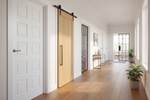
Choosing the right interior doors plays a major role in how your home looks, feels, and functions. More than simple room dividers, interior doors influence privacy, sound control, light flow, and overall interior design. From classic panel doors to modern sliding and glass options, understanding the different types of interior doors helps homeowners make informed design and performance decisions.
This guide explores the most common interior door styles, materials, and functional options, helping you select doors that enhance both everyday living and long-term value.
What Are Interior Doors?
Interior doors are designed to separate rooms and define spaces within a home’s layout. Unlike exterior doors, which focus on security and weather resistance, interior doors prioritize privacy, sound control, airflow, and aesthetics.
Key functions of interior doors include:
-
Improving sound insulation between rooms
-
Managing airflow and temperature control
-
Providing varying levels of privacy
-
Enhancing interior design consistency
-
Meeting safety needs with fire-rated options where required
The style and material of interior doors significantly impact a home’s visual flow. Matching door designs create cohesion, while intentional variations help define different areas of the home.

Types of Interior Doors by Design
Panel Doors
Panel doors feature framed construction with recessed or raised panels, offering a timeless and architectural look. Common in traditional and transitional homes, they remain one of the most popular interior door styles.
-
Available in two-, four-, or six-panel designs
-
Suitable for painted or stained finishes
-
Offered in solid wood, solid core, and engineered options
Flush Doors
Flush doors have smooth, flat surfaces with no decorative detailing. Their clean appearance makes them ideal for modern and minimalist interiors.
-
Affordable and easy to maintain
-
Simple to paint or customize
-
Blend seamlessly into contemporary spaces

Glazed Interior Doors
Glazed interior doors include glass panels that allow natural light to flow between rooms while maintaining separation. They are especially useful in darker areas of the home.
Glass options include:
-
Clear glass for maximum light
-
Frosted or textured glass for privacy
-
Decorative or patterned glass for visual interest
Internal French Doors
French doors consist of paired hinged doors that open from the center, often with glass panels. They create wide openings and add architectural elegance, making them ideal between living and dining areas.

Types of Interior Doors by Functionality
Hinged Doors
The most traditional interior door option, hinged doors are reliable, widely available, and suitable for nearly any room. Proper swing clearance is the main consideration.
Sliding Doors
Sliding interior doors move along a track, making them ideal for small rooms or areas with limited floor space.
Pocket Doors
Pocket doors slide completely into the wall, offering a clean, space-saving solution. They are excellent for bathrooms, closets, and open-plan layouts.

Bi-Fold Doors
Bi-fold doors fold inward when opened and are commonly used for closets, pantries, and storage areas where wide access is needed.
Types of Interior Doors by Material
Solid Wood Doors
Solid wood interior doors offer premium durability, natural beauty, and excellent sound insulation. Popular wood species include oak, pine, and walnut, making them ideal for bedrooms and offices.
Solid Core Doors
Interior solid core doors provide enhanced durability and noise reduction through a dense engineered core. They resist warping and deliver a substantial feel, making them well-suited for bedrooms, home offices, and main living spaces.
Hollow Core Doors
Hollow core interior doors are lightweight and budget-friendly, making them a practical choice for closets and low-traffic areas. While they offer less sound insulation, they provide a clean appearance and easy installation.

Engineered Wood Doors
Engineered wood interior doors combine a manufactured core with real wood veneer, offering improved stability and a solid wood appearance at a more accessible price point.
Glass Doors
Glass interior doors enhance natural light and create an open, modern feel. Available in clear, frosted, or decorative designs, they work well in offices, dining rooms, and shared living spaces.
Choosing the Right Interior Door for Each Room
Living rooms: Panel, glass, or solid core doors for style and noise control
Bedrooms: Solid wood or solid core doors for privacy and sound reduction
Bathrooms: Moisture-resistant doors with frosted glass where needed
Kitchens & utility rooms: Durable doors that handle temperature changes
Common Interior Door Sizes
Most interior doors in the U.S. are 80 inches tall. Common widths include:
-
24" – Closets
-
28" – Small bathrooms
-
30" – Standard bedrooms
-
32" – Preferred modern width
-
36" – Main living areas
Standard thickness is typically 1⅜ inches, with wider doors recommended for accessibility.
Solid Core vs Hollow Core Interior Doors
Choosing between solid core and hollow core interior doors depends on how and where the door will be used. Solid core doors are heavier, more durable, and provide better sound insulation, making them ideal for bedrooms, offices, and main living areas. Hollow core doors are lightweight and cost-effective, best suited for closets, pantries, and low-traffic spaces where sound control is less important.

Find the Right Interior Door for Your Home
Choosing the right interior door comes down to balancing style, function, and comfort. Whether you’re looking for solid core doors for privacy, hollow core doors for budget-friendly solutions, or glass interior doors to enhance natural light, the right choice can transform how your home looks and feels. Explore our collection of interior doors to find options designed for durability, performance, and everyday living.
Types of Interior Doors for Homes: Styles, Materials, and Uses

Choosing the right interior doors plays a major role in how your home looks, feels, and functions. More than simple room dividers, interior doors influence privacy, sound control, light flow, and overall interior design. From classic panel doors to modern sliding and glass options, understanding the different types of interior doors helps homeowners make informed design and performance decisions.
This guide explores the most common interior door styles, materials, and functional options, helping you select doors that enhance both everyday living and long-term value.
What Are Interior Doors?
Interior doors are designed to separate rooms and define spaces within a home’s layout. Unlike exterior doors, which focus on security and weather resistance, interior doors prioritize privacy, sound control, airflow, and aesthetics.
Key functions of interior doors include:
-
Improving sound insulation between rooms
-
Managing airflow and temperature control
-
Providing varying levels of privacy
-
Enhancing interior design consistency
-
Meeting safety needs with fire-rated options where required
The style and material of interior doors significantly impact a home’s visual flow. Matching door designs create cohesion, while intentional variations help define different areas of the home.
Types of Interior Doors by Design
Panel Doors
Panel doors feature framed construction with recessed or raised panels, offering a timeless and architectural look. Common in traditional and transitional homes, they remain one of the most popular interior door styles.
-
Available in two-, four-, or six-panel designs
-
Suitable for painted or stained finishes
-
Offered in solid wood, solid core, and engineered options
Flush Doors
Flush doors have smooth, flat surfaces with no decorative detailing. Their clean appearance makes them ideal for modern and minimalist interiors.
-
Affordable and easy to maintain
-
Simple to paint or customize
-
Blend seamlessly into contemporary spaces
Glazed Interior Doors
Glazed interior doors include glass panels that allow natural light to flow between rooms while maintaining separation. They are especially useful in darker areas of the home.
Glass options include:
-
Clear glass for maximum light
-
Frosted or textured glass for privacy
-
Decorative or patterned glass for visual interest
Internal French Doors
French doors consist of paired hinged doors that open from the center, often with glass panels. They create wide openings and add architectural elegance, making them ideal between living and dining areas.
Types of Interior Doors by Functionality
Hinged Doors
The most traditional interior door option, hinged doors are reliable, widely available, and suitable for nearly any room. Proper swing clearance is the main consideration.
Sliding Doors
Sliding interior doors move along a track, making them ideal for small rooms or areas with limited floor space.
Pocket Doors
Pocket doors slide completely into the wall, offering a clean, space-saving solution. They are excellent for bathrooms, closets, and open-plan layouts.
Bi-Fold Doors
Bi-fold doors fold inward when opened and are commonly used for closets, pantries, and storage areas where wide access is needed.
Types of Interior Doors by Material
Solid Wood Doors
Solid wood interior doors offer premium durability, natural beauty, and excellent sound insulation. Popular wood species include oak, pine, and walnut, making them ideal for bedrooms and offices.
Solid Core Doors
Interior solid core doors provide enhanced durability and noise reduction through a dense engineered core. They resist warping and deliver a substantial feel, making them well-suited for bedrooms, home offices, and main living spaces.
Hollow Core Doors
Hollow core interior doors are lightweight and budget-friendly, making them a practical choice for closets and low-traffic areas. While they offer less sound insulation, they provide a clean appearance and easy installation.
Engineered Wood Doors
Engineered wood interior doors combine a manufactured core with real wood veneer, offering improved stability and a solid wood appearance at a more accessible price point.
Glass Doors
Glass interior doors enhance natural light and create an open, modern feel. Available in clear, frosted, or decorative designs, they work well in offices, dining rooms, and shared living spaces.
Choosing the Right Interior Door for Each Room
Living rooms: Panel, glass, or solid core doors for style and noise control
Bedrooms: Solid wood or solid core doors for privacy and sound reduction
Bathrooms: Moisture-resistant doors with frosted glass where needed
Kitchens & utility rooms: Durable doors that handle temperature changes
Common Interior Door Sizes
Most interior doors in the U.S. are 80 inches tall. Common widths include:
-
24" – Closets
-
28" – Small bathrooms
-
30" – Standard bedrooms
-
32" – Preferred modern width
-
36" – Main living areas
Standard thickness is typically 1⅜ inches, with wider doors recommended for accessibility.
Solid Core vs Hollow Core Interior Doors
Choosing between solid core and hollow core interior doors depends on how and where the door will be used. Solid core doors are heavier, more durable, and provide better sound insulation, making them ideal for bedrooms, offices, and main living areas. Hollow core doors are lightweight and cost-effective, best suited for closets, pantries, and low-traffic spaces where sound control is less important.
Find the Right Interior Door for Your Home
Choosing the right interior door comes down to balancing style, function, and comfort. Whether you’re looking for solid core doors for privacy, hollow core doors for budget-friendly solutions, or glass interior doors to enhance natural light, the right choice can transform how your home looks and feels. Explore our collection of interior doors to find options designed for durability, performance, and everyday living.
Recent Post

Types of Door Material: What Interior Doors Are Made Of and Which to Choose for Each Room
Read More
The Best Way to Paint Interior Doors: Tools, Prep, and Technique for a Pro Finish
Read More
