


Key Takeaways
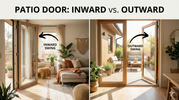
- Outward-swinging patio doors maximize interior space and offer better weather protection, making them ideal for smaller rooms
- Inward-swinging doors provide easier access, enhanced security, and work well with screens—perfect for high-traffic areas
- Building codes often dictate swing direction for safety, especially in emergency exit situations
- French patio doors typically swing outward for aesthetic and functional benefits
- Your choice should balance space constraints, climate conditions, security needs, and local regulations
When planning a patio door installation or replacement, one of the most critical decisions homeowners face is determining the swing direction. This seemingly simple choice significantly impacts your home's functionality, energy efficiency, and overall comfort. Whether you're considering swing patio doors for a new build or renovation, understanding the implications of inward versus outward swing will help you make an informed decision that serves your household for years to come.
Understanding Patio Door Swing Mechanics
Patio doors that swing operate on hinges, similar to traditional entry doors, but their larger size and weight create unique considerations. The fundamental question—should patio doors swing in or out—doesn't have a one-size-fits-all answer. Instead, the optimal choice depends on your specific circumstances, architectural constraints, and lifestyle needs.
Swing patio doors come in various configurations, including single-panel, double swing patio doors, and the elegant French-style options. Each configuration can be designed to swing either inward or outward, though certain styles have traditional preferences based on centuries of architectural evolution.

How Swing Direction Affects Daily Life
Most homeowners underestimate how swing direction influences their daily routines until they've lived with their choice for several months. The direction determines how you access your outdoor space, where furniture can be placed, and even how effectively your home handles severe weather conditions.
Outward-Swinging Patio Doors: Benefits and Considerations
French patio doors swing out in most traditional installations, and there are compelling reasons this design has endured. When your patio doors open away from your interior space, you immediately gain several practical advantages.
Space Optimization Inside Your Home
The most obvious benefit of outward-swinging doors is the preservation of interior floor space. One homeowner in a Toronto condo shared that switching to outward-swinging doors allowed them to position a dining table just three feet from their patio entrance—something impossible with inward-swinging doors that would collide with chairs during opening.
For smaller living spaces, apartments, or rooms with tight furniture arrangements, this space-saving feature becomes invaluable. You won't need to maintain a clear arc zone inside your home, giving you more flexibility in furniture placement and room design.
Weather Protection and Water Management
Outward-swinging doors excel at keeping the elements outside where they belong. The door threshold design naturally directs rain, snow, and debris away from your interior. During heavy rainstorms, water that accumulates on your patio stays outside rather than being pushed inward when you open the door.
A contractor with 20 years of experience installing patio doors in coastal Massachusetts noted that outward-swinging installations experience significantly fewer water intrusion issues during nor'easters. The door and frame configuration creates a more effective barrier against wind-driven rain.
Enhanced Weatherstripping Efficiency
The compression dynamics of outward-swinging doors work in your favor for energy efficiency:
-
Wind pressure pushes the door against its weatherstripping, creating a tighter seal
-
Less air infiltration during strong winds compared to inward designs
-
Reduced heating and cooling costs in extreme weather conditions
-
Better protection against dust and pollen infiltration
Potential Drawbacks to Consider
However, outward-swinging doors aren't perfect for every situation. Homeowners should be aware of several limitations before committing to this configuration.
Security concerns top the list for many people. Traditional outward-swinging doors have hinges exposed on the exterior, potentially creating vulnerability. While modern swing patio doors incorporate hinge pins with security features and non-removable designs, this remains a consideration for security-conscious homeowners.
Outdoor obstructions become more problematic with outward swing. Snow accumulation in winter climates can trap you inside until you clear the patio. Furniture, planters, or grills on your patio must be positioned to accommodate the door's swing path. One Chicago homeowner learned this lesson the hard way when they couldn't access their patio during a surprise April snowstorm that deposited 14 inches overnight.
Inward-Swinging Patio Doors: Advantages and Limitations
Doors that swing into your home offer a different set of benefits that make them the preferred choice for many installations, particularly in regions with specific weather patterns or security requirements.
Superior Screen Door Integration
If you love fresh air but hate insects, inward-swinging doors provide the most practical solution for screen integration. Screen doors almost universally swing outward, creating a natural pairing with inward-swinging primary doors. This configuration allows you to:
-
Open your screen door without stepping outside first
-
Keep the main door open while the screen protects against bugs
-
Create better cross-ventilation throughout your home
-
Access your patio more smoothly with groceries or hands full
Easier Access and Traffic Flow
For homes with frequent patio use—especially those with children running in and out, or homeowners who entertain regularly—inward swing creates more intuitive traffic patterns. You can see and address any outdoor obstacles before opening the door, and visitors find the motion more familiar and comfortable.
A family in Phoenix who hosts weekly barbecues found that inward-swinging double swing patio doors dramatically improved their entertaining flow. Guests could easily move between indoor and outdoor spaces without navigating awkward door swing patterns.
Enhanced Security Features
Inward-swinging doors provide inherent security advantages:
-
Hinges remain inside where they cannot be tampered with
-
Door frame and locks benefit from wall structure support
-
Break-in attempts must overcome the door's compression against the frame
-
Additional security bars or braces can be installed more effectively
Space and Operational Challenges
The primary compromise with inward swing involves interior space management. You must maintain a clear floor area in the door's swing path, which can limit furniture placement and room layout options. In compact spaces, this restriction may prove too limiting for practical living.
Additionally, during severe weather, wind pressure can work against you. Strong gusts may force inward-swinging doors open if not properly secured, and the door's operation can push rain or snow into your home when opened during storms.
Building Codes and Legal Requirements
Before deciding which direction works best for your preferences, you must understand local building codes. These regulations often remove the choice from homeowners' hands entirely, particularly for safety-critical applications.
Emergency Egress Standards
Most building codes require emergency exit doors to swing in the direction of egress—outward from the building. If your patio door serves as a required emergency exit (common in bedrooms or finished basements), local regulations may mandate outward swing regardless of your preferences.
The International Residential Code (IRC) provides guidelines that many jurisdictions adopt or modify. These standards prioritize life safety, ensuring that doors won't trap occupants during emergencies like fires or structural failures.
Regional Variations
Some coastal communities and hurricane-prone regions have specific requirements addressing wind loads and weather resistance. Florida's building codes, for instance, include provisions about door swing direction in relation to storm protection. Similarly, areas with heavy snowfall may encourage or require certain configurations to prevent snow entrapment.
Always consult with your local building department before finalizing plans for patio door installation. A $50 permit fee and quick conversation can prevent expensive reinstallation projects later.
Climate and Weather Considerations
Your regional climate should heavily influence your decision about should patio doors swing in or out. Different weather patterns create distinct practical requirements that override aesthetic or minor convenience preferences.
Cold Climate and Snow Regions
Homeowners in areas with significant snowfall face unique challenges with outward-swinging doors. Imagine waking up to find two feet of snow blocking your patio door from opening—you're effectively trapped until you can clear the snow from inside (impossible) or access the patio from another route.
For cold climates, many experts recommend:
-
Inward swing as default unless other factors override this choice
-
Heated door sills to prevent ice buildup on any configuration
-
Vestibule or covered patio designs that protect outward-swinging doors from direct snow accumulation
-
Alternative emergency exits that don't rely on potentially snow-blocked doors
A Minnesota homeowner shared their solution: installing inward-swinging doors with storm doors that swing outward. This dual-layer approach provides weather protection while maintaining easy access during winter months.
Hot and Humid Environments
In climates like Florida, Louisiana, or coastal California, outward-swinging doors generally perform better. The configuration helps manage:
-
Afternoon thunderstorms with wind-driven rain
-
High humidity that can cause moisture infiltration
-
Hurricane-force winds that benefit from compression sealing
-
Intense sun exposure on weatherstripping materials
Moderate Climate Flexibility
If you live in areas with mild weather year-round—such as the Pacific Northwest or parts of the Mid-Atlantic—either direction can work well. Your decision can prioritize space, convenience, or aesthetic preferences without weather imposing strict requirements.
French Patio Doors: Traditional and Modern Approaches
French patio doors swing out in most classic installations, reflecting their European architectural heritage. These elegant double doors create a wide opening that blurs the boundary between indoor and outdoor living spaces.
Why the Outward Tradition?
The traditional outward swing of French doors serves both practical and aesthetic purposes:
-
Maximizes the sense of openness when doors are fully spread
-
Preserves interior room proportions and symmetry
-
Creates dramatic sightlines from inside looking out
-
Allows for taller door heights without interior clearance issues
Modern Adaptations
Contemporary swing patio door designs have evolved to accommodate various homeowner preferences. You can now find French-style doors engineered for inward swing while maintaining their elegant appearance and functionality.
Some manufacturers offer "active" panel configurations where one door serves as the primary access point while the second remains stationary unless you need the full opening. This hybrid approach provides flexibility while simplifying daily use.
Double Swing Patio Doors: Maximizing Flexibility
Double swing patio doors represent the ultimate in versatility, allowing both panels to open and create expansive access to your outdoor space. When considering swing direction for these installations, you're essentially making the choice twice—and both panels should swing the same direction for optimal function.
Configuration Options
Most double swing installations feature:
-
Center-meeting design where doors meet in the middle without a center post
-
Coordinated hardware that allows one or both panels to open
-
Astragal strips that seal the gap between doors
-
Optional locking mechanisms for the inactive panel
Space Planning for Double Doors
The space requirements double with these installations. If you choose inward swing, ensure your room can accommodate both panels opening simultaneously—particularly important during furniture delivery or when hosting large gatherings. Outward swing requires adequate patio space and consideration of outdoor furniture placement.
Making Your Decision: A Practical Framework
With all these factors in mind, how do you determine the best swing direction for your specific situation? Consider this decision-making framework that professional installers use when consulting with homeowners.
Step 1: Identify Non-Negotiable Factors
Start by listing any requirements that eliminate one option entirely:
-
Building code mandates for your application
-
Extreme climate conditions (heavy snow areas often need inward swing)
-
Security requirements for your neighborhood or home value
-
Physical disabilities or accessibility needs in your household
Step 2: Assess Your Space Constraints
Measure and evaluate both sides of your door installation:
-
Interior: How much clearance do you have? Would inward swing interfere with furniture, traffic flow, or room function?
-
Exterior: What obstacles exist on your patio? Do you have adequate space for outward-opening doors without relocating furniture or features?
Step 3: Consider Your Lifestyle Patterns
Think honestly about how you'll use these doors:
-
Frequency of access (daily versus occasional)
-
Whether you'll use screens regularly
-
Entertaining patterns and guest traffic
-
Children or pets moving between spaces
-
Grocery carrying and hands-full scenarios
Step 4: Evaluate Long-Term Maintenance
Different configurations create varying maintenance requirements. Outward-swinging doors expose hinges and hardware to weather, potentially requiring more frequent maintenance or higher-quality corrosion-resistant materials. Inward-swinging doors may experience more interior wear on flooring along the swing path.
Professional Installation Considerations
Regardless of which direction you choose, proper installation makes the difference between a door that performs flawlessly for decades and one that creates ongoing frustration. Working with experienced professionals who understand the nuances of swing patio doors ensures your investment delivers the expected benefits.
Critical Installation Elements
Professional installers focus on several key aspects that determine long-term performance:
Level and plumb alignment forms the foundation of proper operation. Even slight deviations cause doors to swing open or closed on their own, create gaps in weatherstripping, and accelerate hardware wear.
Threshold installation deserves special attention for weather management. The threshold must create an effective barrier against water while allowing smooth operation. Outward-swinging doors need slightly different threshold profiles than inward-swinging versions.
Weatherstripping quality and placement directly impacts energy efficiency and comfort. The compression dynamics differ between inward and outward swing, requiring specific weatherstripping strategies for optimal sealing.
Hardware Selection for Your Swing Direction
The hardware requirements vary significantly between configurations:
-
Outward swing: Needs weather-resistant hinges, security hinge pins, and possibly reinforced frames
-
Inward swing: Standard interior-grade hardware often suffices, but heavy doors still benefit from commercial-grade components
Don't compromise on hardware quality regardless of swing direction. The door's weight and frequency of use demand robust components that will perform reliably for 20+ years.
Cost Implications and Budget Planning
Many homeowners assume swing direction won't significantly impact their project budget, but several factors can create cost variations worth understanding during planning.
Price Factors by Configuration
Outward-swinging doors may cost slightly more due to:
-
Weather-resistant hardware requirements
-
More sophisticated weatherstripping systems
-
Security features for exposed hinges
-
Additional engineering for wind load resistance
Inward-swinging doors can reduce costs through:
-
Standard hardware compatibility
-
Simpler installation in many cases
-
Fewer exterior finishing requirements
However, these differences typically range from 5-15% of total project cost—significant but rarely the deciding factor for most homeowners.
Long-Term Value Considerations
Consider the total cost of ownership over your door's lifespan. Energy efficiency differences between well-installed outward versus inward configurations can accumulate to hundreds of dollars annually in extreme climates. Maintenance costs also vary, with outward-swinging doors potentially requiring more frequent hardware servicing in harsh environments.
Aesthetic Integration with Your Home's Design
Beyond practical considerations, your patio door's swing direction affects your home's visual appeal and architectural coherence. The best functional choice should also complement your interior design and outdoor aesthetics.
Interior Design Harmony
Inward-swinging doors create opportunities for:
-
Using interior door handles as design elements
-
Coordinating hardware with interior décor
-
Integrating doors into wall treatments and trim work
-
Creating symmetry with other interior door swings
Exterior Appearance
Outward-swinging configurations offer:
-
Cleaner interior sightlines when doors are open
-
More dramatic visual impact from inside looking out
-
Better integration with outdoor living space design
-
Traditional appearance that matches historic home styles
The architectural style of your home may suggest a preferred direction. Colonial, Victorian, and traditional homes often feature outward-swinging French doors, while contemporary and modern designs embrace either direction with equal success.
Retrofitting and Replacement Considerations
If you're replacing existing patio doors, you have a unique opportunity to reconsider swing direction—but you'll also face constraints based on your home's existing structure.
Switching Swing Direction
Changing from inward to outward swing (or vice versa) during replacement is absolutely possible, but it requires:
-
Frame modification or complete replacement
-
Threshold adjustment or replacement
-
Potential exterior trim work
-
Interior floor repair where old swing path existed
These additional requirements increase project costs but may prove worthwhile if your current configuration creates ongoing frustration.
Maintaining Existing Direction
If your current swing direction works reasonably well, matching it during replacement simplifies installation and reduces costs. You'll benefit from existing structural compatibility while potentially upgrading door quality, energy efficiency, and appearance.
Common Mistakes to Avoid
Learning from others' experiences can save you from expensive regrets. These common mistakes plague homeowners who don't thoroughly consider their options before installation.
Mistake #1: Prioritizing Aesthetics Over Function
One couple chose outward-swinging French doors purely for their elegant appearance, despite living in upstate New York with 100+ inches of annual snowfall. After three winters of struggling with snow-blocked access, they spent $4,000 to reverse the swing direction—an expense they could have avoided with better planning.
Mistake #2: Ignoring Building Codes
Assuming you can install whatever you prefer without checking local requirements leads to failed inspections, mandatory reinstallation, and strained relationships with building departments. Always verify requirements before purchasing doors.
Mistake #3: Overlooking Screen Integration
Many homeowners regret choosing outward-swinging doors when they realize adding screens requires awkward configurations or compromises on bug protection. If screen use matters to you, plan for it from the beginning.
Mistake #4: Underestimating Space Requirements
Insufficient clearance on either side creates ongoing frustration. Carefully measure and visualize the full door swing before committing, accounting for furniture, décor, and traffic patterns.
Frequently Asked Questions
What is the standard swing direction for patio doors?
There is no universal standard—both inward and outward swing are common, with choice depending on climate, building codes, and homeowner preferences. French patio doors traditionally swing outward, while regions with heavy snowfall often prefer inward swing for practical access during winter months.
Can you change the swing direction of existing patio doors?
Yes, but it requires significant modification including frame adjustment, threshold replacement, and potentially structural changes. The process typically costs 40-60% of new door installation, making it worthwhile only if your current configuration creates substantial problems.
Are outward-swinging patio doors less secure?
Modern outward-swinging doors incorporate security features like non-removable hinge pins and reinforced frames that address traditional vulnerabilities. When properly installed with quality hardware, security differences between inward and outward swing are minimal for most residential applications.
How do you prevent snow from blocking outward-swinging patio doors?
Install a covered patio or awning that prevents direct snow accumulation at the door threshold, use heated door sills to melt snow as it accumulates, or choose inward-swinging doors in heavy snowfall regions. Some homeowners maintain alternative patio access points for winter emergencies.
Do inward-swinging doors damage interior flooring?
High-traffic inward-swinging doors can create wear patterns on flooring along the swing path over many years. Using durable flooring materials in the swing zone and quality door sweeps that minimize friction helps prevent damage. Most homeowners find this normal wear acceptable given the configuration's other benefits.
Which swing direction is better for double swing patio doors?
Both panels should swing the same direction for consistent operation and appearance. Outward swing maximizes interior space and works well if you have adequate patio area. Inward swing provides easier access and better screen integration but requires more interior clearance. Your choice should prioritize your specific space constraints and lifestyle needs.
Explore Quality Swing Patio Doors
Ready to transform your indoor-outdoor living experience? Browse our comprehensive selection of swing patio doors featuring both inward and outward-swinging configurations in various styles, materials, and sizes. Our collection includes energy-efficient options designed for every climate, from snow-prone regions to coastal environments.
Whether you're drawn to classic French doors, modern minimalist designs, or traditional double swing configurations, you'll find quality options engineered for decades of reliable performance. Each door in our collection meets strict energy efficiency standards while offering the aesthetic appeal that complements your home's architecture.
Visit Doors and Beyond today to explore our complete range of patio door solutions, access detailed product specifications, and connect with door specialists who can answer your specific installation questions.
Should Patio Doors Swing In or Out? What Homeowners Need to Know

Key Takeaways
- Outward-swinging patio doors maximize interior space and offer better weather protection, making them ideal for smaller rooms
- Inward-swinging doors provide easier access, enhanced security, and work well with screens—perfect for high-traffic areas
- Building codes often dictate swing direction for safety, especially in emergency exit situations
- French patio doors typically swing outward for aesthetic and functional benefits
- Your choice should balance space constraints, climate conditions, security needs, and local regulations
When planning a patio door installation or replacement, one of the most critical decisions homeowners face is determining the swing direction. This seemingly simple choice significantly impacts your home's functionality, energy efficiency, and overall comfort. Whether you're considering swing patio doors for a new build or renovation, understanding the implications of inward versus outward swing will help you make an informed decision that serves your household for years to come.
Understanding Patio Door Swing Mechanics
Patio doors that swing operate on hinges, similar to traditional entry doors, but their larger size and weight create unique considerations. The fundamental question—should patio doors swing in or out—doesn't have a one-size-fits-all answer. Instead, the optimal choice depends on your specific circumstances, architectural constraints, and lifestyle needs.
Swing patio doors come in various configurations, including single-panel, double swing patio doors, and the elegant French-style options. Each configuration can be designed to swing either inward or outward, though certain styles have traditional preferences based on centuries of architectural evolution.
How Swing Direction Affects Daily Life
Most homeowners underestimate how swing direction influences their daily routines until they've lived with their choice for several months. The direction determines how you access your outdoor space, where furniture can be placed, and even how effectively your home handles severe weather conditions.
Outward-Swinging Patio Doors: Benefits and Considerations
French patio doors swing out in most traditional installations, and there are compelling reasons this design has endured. When your patio doors open away from your interior space, you immediately gain several practical advantages.
Space Optimization Inside Your Home
The most obvious benefit of outward-swinging doors is the preservation of interior floor space. One homeowner in a Toronto condo shared that switching to outward-swinging doors allowed them to position a dining table just three feet from their patio entrance—something impossible with inward-swinging doors that would collide with chairs during opening.
For smaller living spaces, apartments, or rooms with tight furniture arrangements, this space-saving feature becomes invaluable. You won't need to maintain a clear arc zone inside your home, giving you more flexibility in furniture placement and room design.
Weather Protection and Water Management
Outward-swinging doors excel at keeping the elements outside where they belong. The door threshold design naturally directs rain, snow, and debris away from your interior. During heavy rainstorms, water that accumulates on your patio stays outside rather than being pushed inward when you open the door.
A contractor with 20 years of experience installing patio doors in coastal Massachusetts noted that outward-swinging installations experience significantly fewer water intrusion issues during nor'easters. The door and frame configuration creates a more effective barrier against wind-driven rain.
Enhanced Weatherstripping Efficiency
The compression dynamics of outward-swinging doors work in your favor for energy efficiency:
-
Wind pressure pushes the door against its weatherstripping, creating a tighter seal
-
Less air infiltration during strong winds compared to inward designs
-
Reduced heating and cooling costs in extreme weather conditions
-
Better protection against dust and pollen infiltration
Potential Drawbacks to Consider
However, outward-swinging doors aren't perfect for every situation. Homeowners should be aware of several limitations before committing to this configuration.
Security concerns top the list for many people. Traditional outward-swinging doors have hinges exposed on the exterior, potentially creating vulnerability. While modern swing patio doors incorporate hinge pins with security features and non-removable designs, this remains a consideration for security-conscious homeowners.
Outdoor obstructions become more problematic with outward swing. Snow accumulation in winter climates can trap you inside until you clear the patio. Furniture, planters, or grills on your patio must be positioned to accommodate the door's swing path. One Chicago homeowner learned this lesson the hard way when they couldn't access their patio during a surprise April snowstorm that deposited 14 inches overnight.
Inward-Swinging Patio Doors: Advantages and Limitations
Doors that swing into your home offer a different set of benefits that make them the preferred choice for many installations, particularly in regions with specific weather patterns or security requirements.
Superior Screen Door Integration
If you love fresh air but hate insects, inward-swinging doors provide the most practical solution for screen integration. Screen doors almost universally swing outward, creating a natural pairing with inward-swinging primary doors. This configuration allows you to:
-
Open your screen door without stepping outside first
-
Keep the main door open while the screen protects against bugs
-
Create better cross-ventilation throughout your home
-
Access your patio more smoothly with groceries or hands full
Easier Access and Traffic Flow
For homes with frequent patio use—especially those with children running in and out, or homeowners who entertain regularly—inward swing creates more intuitive traffic patterns. You can see and address any outdoor obstacles before opening the door, and visitors find the motion more familiar and comfortable.
A family in Phoenix who hosts weekly barbecues found that inward-swinging double swing patio doors dramatically improved their entertaining flow. Guests could easily move between indoor and outdoor spaces without navigating awkward door swing patterns.
Enhanced Security Features
Inward-swinging doors provide inherent security advantages:
-
Hinges remain inside where they cannot be tampered with
-
Door frame and locks benefit from wall structure support
-
Break-in attempts must overcome the door's compression against the frame
-
Additional security bars or braces can be installed more effectively
Space and Operational Challenges
The primary compromise with inward swing involves interior space management. You must maintain a clear floor area in the door's swing path, which can limit furniture placement and room layout options. In compact spaces, this restriction may prove too limiting for practical living.
Additionally, during severe weather, wind pressure can work against you. Strong gusts may force inward-swinging doors open if not properly secured, and the door's operation can push rain or snow into your home when opened during storms.
Building Codes and Legal Requirements
Before deciding which direction works best for your preferences, you must understand local building codes. These regulations often remove the choice from homeowners' hands entirely, particularly for safety-critical applications.
Emergency Egress Standards
Most building codes require emergency exit doors to swing in the direction of egress—outward from the building. If your patio door serves as a required emergency exit (common in bedrooms or finished basements), local regulations may mandate outward swing regardless of your preferences.
The International Residential Code (IRC) provides guidelines that many jurisdictions adopt or modify. These standards prioritize life safety, ensuring that doors won't trap occupants during emergencies like fires or structural failures.
Regional Variations
Some coastal communities and hurricane-prone regions have specific requirements addressing wind loads and weather resistance. Florida's building codes, for instance, include provisions about door swing direction in relation to storm protection. Similarly, areas with heavy snowfall may encourage or require certain configurations to prevent snow entrapment.
Always consult with your local building department before finalizing plans for patio door installation. A $50 permit fee and quick conversation can prevent expensive reinstallation projects later.
Climate and Weather Considerations
Your regional climate should heavily influence your decision about should patio doors swing in or out. Different weather patterns create distinct practical requirements that override aesthetic or minor convenience preferences.
Cold Climate and Snow Regions
Homeowners in areas with significant snowfall face unique challenges with outward-swinging doors. Imagine waking up to find two feet of snow blocking your patio door from opening—you're effectively trapped until you can clear the snow from inside (impossible) or access the patio from another route.
For cold climates, many experts recommend:
-
Inward swing as default unless other factors override this choice
-
Heated door sills to prevent ice buildup on any configuration
-
Vestibule or covered patio designs that protect outward-swinging doors from direct snow accumulation
-
Alternative emergency exits that don't rely on potentially snow-blocked doors
A Minnesota homeowner shared their solution: installing inward-swinging doors with storm doors that swing outward. This dual-layer approach provides weather protection while maintaining easy access during winter months.
Hot and Humid Environments
In climates like Florida, Louisiana, or coastal California, outward-swinging doors generally perform better. The configuration helps manage:
-
Afternoon thunderstorms with wind-driven rain
-
High humidity that can cause moisture infiltration
-
Hurricane-force winds that benefit from compression sealing
-
Intense sun exposure on weatherstripping materials
Moderate Climate Flexibility
If you live in areas with mild weather year-round—such as the Pacific Northwest or parts of the Mid-Atlantic—either direction can work well. Your decision can prioritize space, convenience, or aesthetic preferences without weather imposing strict requirements.
French Patio Doors: Traditional and Modern Approaches
French patio doors swing out in most classic installations, reflecting their European architectural heritage. These elegant double doors create a wide opening that blurs the boundary between indoor and outdoor living spaces.
Why the Outward Tradition?
The traditional outward swing of French doors serves both practical and aesthetic purposes:
-
Maximizes the sense of openness when doors are fully spread
-
Preserves interior room proportions and symmetry
-
Creates dramatic sightlines from inside looking out
-
Allows for taller door heights without interior clearance issues
Modern Adaptations
Contemporary swing patio door designs have evolved to accommodate various homeowner preferences. You can now find French-style doors engineered for inward swing while maintaining their elegant appearance and functionality.
Some manufacturers offer "active" panel configurations where one door serves as the primary access point while the second remains stationary unless you need the full opening. This hybrid approach provides flexibility while simplifying daily use.
Double Swing Patio Doors: Maximizing Flexibility
Double swing patio doors represent the ultimate in versatility, allowing both panels to open and create expansive access to your outdoor space. When considering swing direction for these installations, you're essentially making the choice twice—and both panels should swing the same direction for optimal function.
Configuration Options
Most double swing installations feature:
-
Center-meeting design where doors meet in the middle without a center post
-
Coordinated hardware that allows one or both panels to open
-
Astragal strips that seal the gap between doors
-
Optional locking mechanisms for the inactive panel
Space Planning for Double Doors
The space requirements double with these installations. If you choose inward swing, ensure your room can accommodate both panels opening simultaneously—particularly important during furniture delivery or when hosting large gatherings. Outward swing requires adequate patio space and consideration of outdoor furniture placement.
Making Your Decision: A Practical Framework
With all these factors in mind, how do you determine the best swing direction for your specific situation? Consider this decision-making framework that professional installers use when consulting with homeowners.
Step 1: Identify Non-Negotiable Factors
Start by listing any requirements that eliminate one option entirely:
-
Building code mandates for your application
-
Extreme climate conditions (heavy snow areas often need inward swing)
-
Security requirements for your neighborhood or home value
-
Physical disabilities or accessibility needs in your household
Step 2: Assess Your Space Constraints
Measure and evaluate both sides of your door installation:
-
Interior: How much clearance do you have? Would inward swing interfere with furniture, traffic flow, or room function?
-
Exterior: What obstacles exist on your patio? Do you have adequate space for outward-opening doors without relocating furniture or features?
Step 3: Consider Your Lifestyle Patterns
Think honestly about how you'll use these doors:
-
Frequency of access (daily versus occasional)
-
Whether you'll use screens regularly
-
Entertaining patterns and guest traffic
-
Children or pets moving between spaces
-
Grocery carrying and hands-full scenarios
Step 4: Evaluate Long-Term Maintenance
Different configurations create varying maintenance requirements. Outward-swinging doors expose hinges and hardware to weather, potentially requiring more frequent maintenance or higher-quality corrosion-resistant materials. Inward-swinging doors may experience more interior wear on flooring along the swing path.
Professional Installation Considerations
Regardless of which direction you choose, proper installation makes the difference between a door that performs flawlessly for decades and one that creates ongoing frustration. Working with experienced professionals who understand the nuances of swing patio doors ensures your investment delivers the expected benefits.
Critical Installation Elements
Professional installers focus on several key aspects that determine long-term performance:
Level and plumb alignment forms the foundation of proper operation. Even slight deviations cause doors to swing open or closed on their own, create gaps in weatherstripping, and accelerate hardware wear.
Threshold installation deserves special attention for weather management. The threshold must create an effective barrier against water while allowing smooth operation. Outward-swinging doors need slightly different threshold profiles than inward-swinging versions.
Weatherstripping quality and placement directly impacts energy efficiency and comfort. The compression dynamics differ between inward and outward swing, requiring specific weatherstripping strategies for optimal sealing.
Hardware Selection for Your Swing Direction
The hardware requirements vary significantly between configurations:
-
Outward swing: Needs weather-resistant hinges, security hinge pins, and possibly reinforced frames
-
Inward swing: Standard interior-grade hardware often suffices, but heavy doors still benefit from commercial-grade components
Don't compromise on hardware quality regardless of swing direction. The door's weight and frequency of use demand robust components that will perform reliably for 20+ years.
Cost Implications and Budget Planning
Many homeowners assume swing direction won't significantly impact their project budget, but several factors can create cost variations worth understanding during planning.
Price Factors by Configuration
Outward-swinging doors may cost slightly more due to:
-
Weather-resistant hardware requirements
-
More sophisticated weatherstripping systems
-
Security features for exposed hinges
-
Additional engineering for wind load resistance
Inward-swinging doors can reduce costs through:
-
Standard hardware compatibility
-
Simpler installation in many cases
-
Fewer exterior finishing requirements
However, these differences typically range from 5-15% of total project cost—significant but rarely the deciding factor for most homeowners.
Long-Term Value Considerations
Consider the total cost of ownership over your door's lifespan. Energy efficiency differences between well-installed outward versus inward configurations can accumulate to hundreds of dollars annually in extreme climates. Maintenance costs also vary, with outward-swinging doors potentially requiring more frequent hardware servicing in harsh environments.
Aesthetic Integration with Your Home's Design
Beyond practical considerations, your patio door's swing direction affects your home's visual appeal and architectural coherence. The best functional choice should also complement your interior design and outdoor aesthetics.
Interior Design Harmony
Inward-swinging doors create opportunities for:
-
Using interior door handles as design elements
-
Coordinating hardware with interior décor
-
Integrating doors into wall treatments and trim work
-
Creating symmetry with other interior door swings
Exterior Appearance
Outward-swinging configurations offer:
-
Cleaner interior sightlines when doors are open
-
More dramatic visual impact from inside looking out
-
Better integration with outdoor living space design
-
Traditional appearance that matches historic home styles
The architectural style of your home may suggest a preferred direction. Colonial, Victorian, and traditional homes often feature outward-swinging French doors, while contemporary and modern designs embrace either direction with equal success.
Retrofitting and Replacement Considerations
If you're replacing existing patio doors, you have a unique opportunity to reconsider swing direction—but you'll also face constraints based on your home's existing structure.
Switching Swing Direction
Changing from inward to outward swing (or vice versa) during replacement is absolutely possible, but it requires:
-
Frame modification or complete replacement
-
Threshold adjustment or replacement
-
Potential exterior trim work
-
Interior floor repair where old swing path existed
These additional requirements increase project costs but may prove worthwhile if your current configuration creates ongoing frustration.
Maintaining Existing Direction
If your current swing direction works reasonably well, matching it during replacement simplifies installation and reduces costs. You'll benefit from existing structural compatibility while potentially upgrading door quality, energy efficiency, and appearance.
Common Mistakes to Avoid
Learning from others' experiences can save you from expensive regrets. These common mistakes plague homeowners who don't thoroughly consider their options before installation.
Mistake #1: Prioritizing Aesthetics Over Function
One couple chose outward-swinging French doors purely for their elegant appearance, despite living in upstate New York with 100+ inches of annual snowfall. After three winters of struggling with snow-blocked access, they spent $4,000 to reverse the swing direction—an expense they could have avoided with better planning.
Mistake #2: Ignoring Building Codes
Assuming you can install whatever you prefer without checking local requirements leads to failed inspections, mandatory reinstallation, and strained relationships with building departments. Always verify requirements before purchasing doors.
Mistake #3: Overlooking Screen Integration
Many homeowners regret choosing outward-swinging doors when they realize adding screens requires awkward configurations or compromises on bug protection. If screen use matters to you, plan for it from the beginning.
Mistake #4: Underestimating Space Requirements
Insufficient clearance on either side creates ongoing frustration. Carefully measure and visualize the full door swing before committing, accounting for furniture, décor, and traffic patterns.
Frequently Asked Questions
What is the standard swing direction for patio doors?
There is no universal standard—both inward and outward swing are common, with choice depending on climate, building codes, and homeowner preferences. French patio doors traditionally swing outward, while regions with heavy snowfall often prefer inward swing for practical access during winter months.
Can you change the swing direction of existing patio doors?
Yes, but it requires significant modification including frame adjustment, threshold replacement, and potentially structural changes. The process typically costs 40-60% of new door installation, making it worthwhile only if your current configuration creates substantial problems.
Are outward-swinging patio doors less secure?
Modern outward-swinging doors incorporate security features like non-removable hinge pins and reinforced frames that address traditional vulnerabilities. When properly installed with quality hardware, security differences between inward and outward swing are minimal for most residential applications.
How do you prevent snow from blocking outward-swinging patio doors?
Install a covered patio or awning that prevents direct snow accumulation at the door threshold, use heated door sills to melt snow as it accumulates, or choose inward-swinging doors in heavy snowfall regions. Some homeowners maintain alternative patio access points for winter emergencies.
Do inward-swinging doors damage interior flooring?
High-traffic inward-swinging doors can create wear patterns on flooring along the swing path over many years. Using durable flooring materials in the swing zone and quality door sweeps that minimize friction helps prevent damage. Most homeowners find this normal wear acceptable given the configuration's other benefits.
Which swing direction is better for double swing patio doors?
Both panels should swing the same direction for consistent operation and appearance. Outward swing maximizes interior space and works well if you have adequate patio area. Inward swing provides easier access and better screen integration but requires more interior clearance. Your choice should prioritize your specific space constraints and lifestyle needs.
Explore Quality Swing Patio Doors
Ready to transform your indoor-outdoor living experience? Browse our comprehensive selection of swing patio doors featuring both inward and outward-swinging configurations in various styles, materials, and sizes. Our collection includes energy-efficient options designed for every climate, from snow-prone regions to coastal environments.
Whether you're drawn to classic French doors, modern minimalist designs, or traditional double swing configurations, you'll find quality options engineered for decades of reliable performance. Each door in our collection meets strict energy efficiency standards while offering the aesthetic appeal that complements your home's architecture.
Visit Doors and Beyond today to explore our complete range of patio door solutions, access detailed product specifications, and connect with door specialists who can answer your specific installation questions.
Recent Post

How to Seal Door Gaps and Insulate Doors for Winter: A Complete Location-by-Location Guide
Read More
Front Door Decor Ideas: 7 Elements, Modern Styles, and Seasonal Updates for Every Home
Read More
