


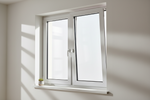
These European-style windows are standard in many countries but still relatively unfamiliar to most US buyers. They open in two distinct ways and offer genuine advantages in energy efficiency, security, and ventilation, but they also come with trade-offs that matter more in the US market than they would in Europe. This guide covers both sides honestly so you can decide whether they are the right choice for your home.
Quick Answer
Tilt and turn windows can tilt inward from the top for ventilation or swing fully open inward like a door. Key pros include excellent energy efficiency, multi-point locking security, easy interior cleaning, and dual ventilation control. Key cons include the need for interior clearance space, which is easily managed with simple room planning, and limited contractor familiarity in the US, which is addressed by working with an authorized dealer who can recommend installers.

How Tilt and Turn Windows Work
Before weighing the pros and cons, it helps to understand the mechanism, because the advantages and limitations both flow directly from how tilt and turn windows operate.
A tilt and turn window is controlled by a single handle with three positions: closed, tilt, and turn. In the tilt position, the top of the sash tilts inward by approximately 4 to 6 inches, creating a ventilation gap at the top of the window that is too small for entry. In the turn position, the sash swings fully inward on vertical hinges, providing complete access to the window opening for maximum ventilation and cleaning. The entire mechanism is controlled by the handle position alone, with no secondary latches or operators. A multi-point locking system engages steel bolts at multiple points around the frame perimeter when the handle is in the closed position, which is the foundation of both the security and energy performance advantages these windows provide.
See more: Standard Sliding Glass Door Sizes: Width, Height, and Rough Opening by Panel Count
The Advantages of Tilt and Turn Windows
This window type offers genuine advantages that standard US window types cannot match, particularly in energy performance, security, and operational flexibility. Each of the following benefits applies consistently across residential installations.
Superior Energy Efficiency
The multi-point locking system and specialized air chambers in the frame create a tight perimeter seal that minimizes air leaks more effectively than single-latch window designs. The robust sash construction also accommodates triple-pane glazing, which dramatically improves thermal performance and prevents the heat transfer at the frame edge that reduces efficiency in standard single or double-pane units. In cold US climates with significant heating costs, tilt and turn windows with triple glazing can reduce energy loss at the window perimeter substantially compared to standard replacement windows of equivalent size.
Two-Mode Ventilation
The tilt position draws fresh air from the top of the window, creating an upward draft that pulls stale air out without directing airflow at seated or sleeping level. This makes tilt ventilation particularly useful in bedrooms, where full-open ventilation can create discomfort overnight, and in bathrooms, where moisture needs to exit without fully exposing the room. The turn mode provides the equivalent of a fully open casement when maximum airflow is needed. Having both modes in a single unit controlled by one handle is a functional advantage that no standard window type replicates.

Multi-Point Locking Security
Instead of a single latch in the center of the sash, tilt and turn windows have multiple locking points around the full perimeter of the frame. When the handle is in the closed position, steel bolts engage with keepers all the way around the frame, making the window extremely difficult to pry open from the outside. The tilt position also maintains security while allowing ventilation, because the gap is too small for entry. This security posture is not achievable with outward-opening casement windows, double-hung windows, or sliding windows, all of which expose a larger and more accessible opening when ventilating.
Easy Cleaning from Inside
Because the sash swings fully inward in turn mode, both the interior and exterior glass surfaces are accessible from inside the room. This eliminates the need for exterior ladder access to clean upper-floor windows and makes window maintenance a straightforward interior task. For multi-story homes where exterior cleaning requires professional services, the interior cleaning accessibility of tilt and turn windows provides a practical advantage that compounds in value over the life of the installation.
Which Rooms Benefit Most
Tilt and turn windows are particularly well suited to bedrooms, where the tilt mode allows overnight ventilation without the security exposure of a fully open window. Bathrooms benefit from the tilt mode's ability to extract moisture and odors without fully opening the space to outdoor elements. Home offices and studies where external noise or security is a concern also benefit from the ability to ventilate without compromising the window's locked perimeter. Ground-floor rooms benefit from the security advantage of the multi-point lock, since these are the openings most likely to be targeted in a forced entry attempt.
See more: Pros and Cons of French Doors: An Honest Assessment for Homeowners Considering the Investment
The Disadvantages of Tilt and Turn Windows
Tilt and turn windows have real trade-offs, and several of them are more significant for US buyers than they would be for homeowners in Europe where this window type is the standard rather than the exception.

Requires Interior Clearance
Because the sash swings fully inward in turn mode, furniture, curtain rods, blinds, and window treatments must be positioned to allow the sash to clear into the room. In rooms where the window area is adjacent to a bed, sofa, dining table, or built-in storage, this inward swing requirement is a genuine practical constraint that requires planning the room layout around the window rather than treating it as a neutral element. The tilt mode does not require the same clearance, but the window loses its full ventilation capability if turn mode is blocked by furniture placement.
US-Specific Challenges
One consideration that applies specifically to the US market is contractor familiarity. US installers are generally less experienced with tilt and turn adjustment and service than they are with casement or double-hung units. This is straightforwardly managed by working with an authorized dealer who can recommend qualified local installers or have in-house installers familiar with European-style window systems. Screens are included with tilt and turn windows from Doors and Beyond and are fully compatible with inward-opening operation. Lead times through our network are typically on par with standard window orders.
See more: Full Flush vs Seamless Metal Doors: What's the Difference and Which Do You Need?
Tilt and Turn vs Common US Window Types
The table below compares this window type against the three types most commonly specified in US residential construction across six criteria that matter to homeowners replacing or upgrading windows.
|
Criteria |
Tilt and Turn |
Double Hung |
Casement |
Sliding |
|
Ventilation modes |
Tilt (top gap) and full inward swing |
Two sashes, limited draft control |
Single outward swing |
One panel slides; limited directional control |
|
Security |
Multi-point lock; tilt allows secure ventilation |
Single latch; sashes can be lifted |
Multi-point lock on quality units |
Single latch; easier to lift panel out |
|
Energy efficiency |
Excellent , tight seal, triple pane capable |
Good with quality weatherstripping |
Good |
Fair , sliding seals wear faster over time |
|
Cleaning access |
Both sides from inside |
Tilt-in sashes on quality models |
Exterior side requires ladder on upper floors |
Interior side only; exterior requires ladder |
|
US availability |
Limited |
Most widely available; easiest to service |
Widely available |
Widely available |
This window type leads on ventilation flexibility, security, energy efficiency, and interior cleaning access. Working with an authorized dealer addresses installer familiarity. Double-hung windows remain the most practical choice for simple replacement projects where wide local availability and serviceability are the priority. Tilt and turn windows are the better choice when long-term performance and quality are the priority.
Browse tilt and turn window options at Doors and Beyond: Browse Tilt and Turn Windows at Doors and Beyond

Is a Tilt and Turn Window Right for Your Home?
The decision depends on a specific combination of priorities, budget, and home configuration. The following situations indicate when this window option is the stronger choice and when standard US window types are more practical.
This window type is the right choice when energy performance is a top priority in a climate with significant heating or cooling costs; the room layout allows inward clearance for the sash to open fully; and the installation is handled through an authorized dealer with qualified local installers. They are particularly well justified for bedroom, bathroom, and ground-floor security-sensitive installations where the dual-mode operation and multi-point locking deliver functional value that standard window types cannot match.
Standard US windows are the more practical choice when the project requires sourcing from general contractors rather than working with a specialized window dealer; or when room layout limits inward clearance for the sash.
See more: Types of Flush Doors: Hollow Core, Solid Core, and Surface Finishes Explained
Final Thoughts
This window design delivers genuine advantages in energy efficiency, security, and operational flexibility that standard US window types cannot match. For homeowners prioritizing long-term performance over familiarity and convenience, they represent one of the most functional window upgrades available in the US market.
Ready to explore tilt and turn windows for your home? Browse options at Doors and Beyond: Shop Tilt and Turn Windows at Doors and Beyond
Tilt and Turn Windows Pros and Cons: An Honest Assessment for US Homeowners

These European-style windows are standard in many countries but still relatively unfamiliar to most US buyers. They open in two distinct ways and offer genuine advantages in energy efficiency, security, and ventilation, but they also come with trade-offs that matter more in the US market than they would in Europe. This guide covers both sides honestly so you can decide whether they are the right choice for your home.
Quick Answer
Tilt and turn windows can tilt inward from the top for ventilation or swing fully open inward like a door. Key pros include excellent energy efficiency, multi-point locking security, easy interior cleaning, and dual ventilation control. Key cons include the need for interior clearance space, which is easily managed with simple room planning, and limited contractor familiarity in the US, which is addressed by working with an authorized dealer who can recommend installers.
How Tilt and Turn Windows Work
Before weighing the pros and cons, it helps to understand the mechanism, because the advantages and limitations both flow directly from how tilt and turn windows operate.
A tilt and turn window is controlled by a single handle with three positions: closed, tilt, and turn. In the tilt position, the top of the sash tilts inward by approximately 4 to 6 inches, creating a ventilation gap at the top of the window that is too small for entry. In the turn position, the sash swings fully inward on vertical hinges, providing complete access to the window opening for maximum ventilation and cleaning. The entire mechanism is controlled by the handle position alone, with no secondary latches or operators. A multi-point locking system engages steel bolts at multiple points around the frame perimeter when the handle is in the closed position, which is the foundation of both the security and energy performance advantages these windows provide.
See more: Standard Sliding Glass Door Sizes: Width, Height, and Rough Opening by Panel Count
The Advantages of Tilt and Turn Windows
This window type offers genuine advantages that standard US window types cannot match, particularly in energy performance, security, and operational flexibility. Each of the following benefits applies consistently across residential installations.
Superior Energy Efficiency
The multi-point locking system and specialized air chambers in the frame create a tight perimeter seal that minimizes air leaks more effectively than single-latch window designs. The robust sash construction also accommodates triple-pane glazing, which dramatically improves thermal performance and prevents the heat transfer at the frame edge that reduces efficiency in standard single or double-pane units. In cold US climates with significant heating costs, tilt and turn windows with triple glazing can reduce energy loss at the window perimeter substantially compared to standard replacement windows of equivalent size.
Two-Mode Ventilation
The tilt position draws fresh air from the top of the window, creating an upward draft that pulls stale air out without directing airflow at seated or sleeping level. This makes tilt ventilation particularly useful in bedrooms, where full-open ventilation can create discomfort overnight, and in bathrooms, where moisture needs to exit without fully exposing the room. The turn mode provides the equivalent of a fully open casement when maximum airflow is needed. Having both modes in a single unit controlled by one handle is a functional advantage that no standard window type replicates.
Multi-Point Locking Security
Instead of a single latch in the center of the sash, tilt and turn windows have multiple locking points around the full perimeter of the frame. When the handle is in the closed position, steel bolts engage with keepers all the way around the frame, making the window extremely difficult to pry open from the outside. The tilt position also maintains security while allowing ventilation, because the gap is too small for entry. This security posture is not achievable with outward-opening casement windows, double-hung windows, or sliding windows, all of which expose a larger and more accessible opening when ventilating.
Easy Cleaning from Inside
Because the sash swings fully inward in turn mode, both the interior and exterior glass surfaces are accessible from inside the room. This eliminates the need for exterior ladder access to clean upper-floor windows and makes window maintenance a straightforward interior task. For multi-story homes where exterior cleaning requires professional services, the interior cleaning accessibility of tilt and turn windows provides a practical advantage that compounds in value over the life of the installation.
Which Rooms Benefit Most
Tilt and turn windows are particularly well suited to bedrooms, where the tilt mode allows overnight ventilation without the security exposure of a fully open window. Bathrooms benefit from the tilt mode's ability to extract moisture and odors without fully opening the space to outdoor elements. Home offices and studies where external noise or security is a concern also benefit from the ability to ventilate without compromising the window's locked perimeter. Ground-floor rooms benefit from the security advantage of the multi-point lock, since these are the openings most likely to be targeted in a forced entry attempt.
See more: Pros and Cons of French Doors: An Honest Assessment for Homeowners Considering the Investment
The Disadvantages of Tilt and Turn Windows
Tilt and turn windows have real trade-offs, and several of them are more significant for US buyers than they would be for homeowners in Europe where this window type is the standard rather than the exception.
Requires Interior Clearance
Because the sash swings fully inward in turn mode, furniture, curtain rods, blinds, and window treatments must be positioned to allow the sash to clear into the room. In rooms where the window area is adjacent to a bed, sofa, dining table, or built-in storage, this inward swing requirement is a genuine practical constraint that requires planning the room layout around the window rather than treating it as a neutral element. The tilt mode does not require the same clearance, but the window loses its full ventilation capability if turn mode is blocked by furniture placement.
US-Specific Challenges
One consideration that applies specifically to the US market is contractor familiarity. US installers are generally less experienced with tilt and turn adjustment and service than they are with casement or double-hung units. This is straightforwardly managed by working with an authorized dealer who can recommend qualified local installers or have in-house installers familiar with European-style window systems. Screens are included with tilt and turn windows from Doors and Beyond and are fully compatible with inward-opening operation. Lead times through our network are typically on par with standard window orders.
See more: Full Flush vs Seamless Metal Doors: What's the Difference and Which Do You Need?
Tilt and Turn vs Common US Window Types
The table below compares this window type against the three types most commonly specified in US residential construction across six criteria that matter to homeowners replacing or upgrading windows.
|
Criteria |
Tilt and Turn |
Double Hung |
Casement |
Sliding |
|
Ventilation modes |
Tilt (top gap) and full inward swing |
Two sashes, limited draft control |
Single outward swing |
One panel slides; limited directional control |
|
Security |
Multi-point lock; tilt allows secure ventilation |
Single latch; sashes can be lifted |
Multi-point lock on quality units |
Single latch; easier to lift panel out |
|
Energy efficiency |
Excellent , tight seal, triple pane capable |
Good with quality weatherstripping |
Good |
Fair , sliding seals wear faster over time |
|
Cleaning access |
Both sides from inside |
Tilt-in sashes on quality models |
Exterior side requires ladder on upper floors |
Interior side only; exterior requires ladder |
|
US availability |
Limited |
Most widely available; easiest to service |
Widely available |
Widely available |
This window type leads on ventilation flexibility, security, energy efficiency, and interior cleaning access. Working with an authorized dealer addresses installer familiarity. Double-hung windows remain the most practical choice for simple replacement projects where wide local availability and serviceability are the priority. Tilt and turn windows are the better choice when long-term performance and quality are the priority.
Browse tilt and turn window options at Doors and Beyond: Browse Tilt and Turn Windows at Doors and Beyond
Is a Tilt and Turn Window Right for Your Home?
The decision depends on a specific combination of priorities, budget, and home configuration. The following situations indicate when this window option is the stronger choice and when standard US window types are more practical.
This window type is the right choice when energy performance is a top priority in a climate with significant heating or cooling costs; the room layout allows inward clearance for the sash to open fully; and the installation is handled through an authorized dealer with qualified local installers. They are particularly well justified for bedroom, bathroom, and ground-floor security-sensitive installations where the dual-mode operation and multi-point locking deliver functional value that standard window types cannot match.
Standard US windows are the more practical choice when the project requires sourcing from general contractors rather than working with a specialized window dealer; or when room layout limits inward clearance for the sash.
See more: Types of Flush Doors: Hollow Core, Solid Core, and Surface Finishes Explained
Final Thoughts
This window design delivers genuine advantages in energy efficiency, security, and operational flexibility that standard US window types cannot match. For homeowners prioritizing long-term performance over familiarity and convenience, they represent one of the most functional window upgrades available in the US market.
Ready to explore tilt and turn windows for your home? Browse options at Doors and Beyond: Shop Tilt and Turn Windows at Doors and Beyond


