


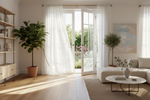
French doors bring natural light, architectural symmetry, and visual openness into a home. However, decorating them can quickly become difficult because homeowners usually want privacy without sacrificing brightness or making the room feel visually heavy.
Traditional drapes often overwhelm the glass area and hide the clean geometry that makes French doors attractive in the first place. Modern French door styling focuses more on layered light control, architectural balance, and minimal window treatments that preserve openness while improving comfort and privacy. Understanding how to decorate French doors properly helps homeowners maintain both functionality and a refined interior aesthetic.

Best Ways to Decorate French Doors Without Making Them Look Heavy
Modern French door styling works best when window treatments complement the door design rather than covering it completely. Lightweight materials and clean mounting lines usually create the most balanced result when learning how to decorate French doors in modern interiors.
Use Sheer Curtains for Soft Privacy and Natural Light
Sheer curtains soften direct sunlight while maintaining brightness throughout the room. Designers often use linen or textured sheer fabrics because they preserve the open feeling around French doors without creating visual bulk. Ceiling mounted sheers also help frame the doors architecturally instead of hiding them behind heavy fabric panels.
Install Roller Shades for a Minimal Modern Look
Roller shades work well in modern interiors because they sit close to the glass and maintain clean sightlines. Many homeowners choose light filtering fabrics instead of blackout materials to preserve daytime brightness. Inside mounted shades also help keep black frame French doors visually sharp and uncluttered.
Layer Curtains and Shades for Better Light Control
Layering sheer curtains with roller shades creates more flexible privacy and light control throughout the day. Designers commonly use this approach in living rooms and primary bedrooms where homeowners want softer daylight during the afternoon but stronger privacy at night without heavy drapery.
Learn more: How to Insulate French Doors: Diagnose the Draft First, Then Fix It
Choose Ceiling Mounted Curtains to Make Rooms Feel Taller
Ceiling mounted curtain tracks visually extend wall height and create a more refined architectural appearance around French doors. Interior designers frequently use this technique in smaller rooms because higher mounting lines draw the eye upward and make the space feel more open and balanced.
Avoid Thick Drapes That Hide the Door Design
Heavy drapery often covers the divided glass layout and interrupts the symmetry that makes French doors visually appealing. Thick fabrics can also make smaller interiors feel darker and more enclosed. Many designers now prefer lighter layered treatments paired with Interior French Doors for a cleaner and more architectural appearance.
French Door Decorating Ideas for Different Interior Styles
French door styling should support the broader interior design language of the home. The best results usually come from treatments that reinforce the room’s materials, proportions, and overall visual rhythm while still reflecting how to decorate French doors in a way that feels intentional and cohesive.
Modern Minimalist French Door Ideas
Minimalist interiors usually pair French doors with recessed roller shades, slim curtain tracks, and neutral fabrics. Designers avoid oversized patterns or decorative hardware because clean lines and uninterrupted light help maintain the calm, open feeling associated with modern spaces.
Scandinavian Inspired French Door Styling
Scandinavian interiors often combine light wood tones, soft linen curtains, and natural daylight around French doors. Sheer white fabrics work especially well because they diffuse sunlight gently while preserving brightness and visual warmth throughout the room.
Luxury Contemporary French Door Decor
Luxury contemporary spaces typically use layered window treatments, concealed tracks, and tailored fabric panels. Many designers also integrate black framed French doors with warm textured materials to create stronger architectural contrast without making the room feel visually heavy.
Learn more: Luxury Interior Doors: A Complete Guide to Premium Styles, Materials & Design
Black Frame French Door Styling Ideas
Black frame French doors already create strong visual definition, so simple treatments usually work best. Interior designers often choose neutral roller shades or soft sheer curtains that complement the frame instead of competing with it visually.
Learn more: Types of French Doors: Styles, Designs and Buying Guide
Small Space French Door Decorating Tips
Smaller rooms benefit from light filtering materials and minimal hardware around French doors. Ceiling mounted curtains and inside mounted shades help maintain openness while avoiding the crowded appearance created by oversized drapery systems.
Learn more: Interior French Door Sizes: Complete Guide to Standard & Custom Dimensions

How to Add Privacy to French Doors Without Blocking Sunlight
Privacy remains one of the biggest concerns for homeowners with French doors, especially in bedrooms, patios, and street facing living spaces. The best solutions usually balance light diffusion with clean architectural styling while still supporting how to decorate French doors without making interiors feel closed off.
Frosted Glass Film for Modern Privacy
Frosted glass film adds privacy while still allowing natural light to pass through the glass. Higher quality films create a softer diffused appearance and look more integrated with modern interiors than reflective or heavily patterned options.
Light Filtering Shades for Bedrooms and Living Rooms
Light filtering shades reduce visibility without making interiors feel dark during the day. Many homeowners prefer woven or textured fabrics because they soften sunlight naturally while maintaining a brighter atmosphere than blackout shades.
Reeded or Textured Glass Options
Reeded and textured glass create privacy directly within the door system itself. These glass styles are increasingly popular in modern renovations because they preserve daylight while adding architectural character and subtle visual texture.
Privacy Solutions for Patio French Doors
Patio French doors often require stronger privacy control because of direct exterior visibility. Designers commonly combine sheer curtains with light filtering roller shades to maintain openness during the day while improving privacy at night.
Learn more: French Doors vs Double Doors: What’s the Difference and Which One Do You Need
What to Avoid When Adding Privacy
Dark blackout curtains, mirrored films, and low quality adhesive coverings often make French doors feel bulky or visually outdated. Many installers also see inexpensive privacy films peel or discolor over time, especially on doors exposed to direct sunlight.

Common French Door Decorating Mistakes That Make Interiors Look Cheap
Small styling mistakes can quickly reduce the architectural impact of French doors. Most design problems happen when window treatments overpower the door instead of supporting it visually. Understanding how to decorate French doors also means knowing what design decisions to avoid.
Using Short Curtains
Short curtains often cut the wall visually and make French doors appear smaller. Designers usually extend curtain panels close to the floor because longer lines create a cleaner and more balanced architectural appearance.
Choosing Bulky Window Treatments
Oversized drapery and decorative valances can overwhelm French doors and reduce natural light significantly. Heavy treatments also make smaller rooms feel darker and visually crowded, especially in modern interiors designed around openness.
Mixing Too Many Hardware Finishes
French doors already contain visible hardware elements, so adding multiple curtain rod finishes can create unnecessary visual clutter. Designers usually keep finishes consistent across handles, hinges, curtain tracks, and surrounding fixtures.
Blocking Door Symmetry
French doors rely heavily on symmetry for their visual appeal. Uneven curtain placement, off centered hardware, or mismatched panels can disrupt the clean geometry and make the entire opening feel visually unbalanced.
Using Low Quality Adhesive Films
Cheap adhesive privacy films often bubble, discolor, or peel after prolonged sun exposure. Installers regularly replace low quality films in renovations because they make otherwise premium French door systems appear temporary and poorly finished.

Conclusion
French doors look best when decoration enhances natural light, symmetry, and architectural balance instead of covering the glass completely. Lightweight curtains, minimal shades, and layered privacy solutions usually create the most refined result while preserving openness throughout the room.
Understanding how to decorate French doors properly also helps homeowners avoid common design mistakes that make interiors feel visually heavy or outdated. Clean mounting details, balanced proportions, and high quality materials allow French doors to remain a central architectural feature rather than becoming hidden behind oversized treatments.
For homeowners planning a broader renovation, selecting well designed Interior French Doors can further improve light flow, spatial continuity, and overall interior cohesion in modern living spaces.
How to Decorate French Doors Without Blocking Light or Ruining Your Interior Style

French doors bring natural light, architectural symmetry, and visual openness into a home. However, decorating them can quickly become difficult because homeowners usually want privacy without sacrificing brightness or making the room feel visually heavy.
Traditional drapes often overwhelm the glass area and hide the clean geometry that makes French doors attractive in the first place. Modern French door styling focuses more on layered light control, architectural balance, and minimal window treatments that preserve openness while improving comfort and privacy. Understanding how to decorate French doors properly helps homeowners maintain both functionality and a refined interior aesthetic.
Best Ways to Decorate French Doors Without Making Them Look Heavy
Modern French door styling works best when window treatments complement the door design rather than covering it completely. Lightweight materials and clean mounting lines usually create the most balanced result when learning how to decorate French doors in modern interiors.
Use Sheer Curtains for Soft Privacy and Natural Light
Sheer curtains soften direct sunlight while maintaining brightness throughout the room. Designers often use linen or textured sheer fabrics because they preserve the open feeling around French doors without creating visual bulk. Ceiling mounted sheers also help frame the doors architecturally instead of hiding them behind heavy fabric panels.
Install Roller Shades for a Minimal Modern Look
Roller shades work well in modern interiors because they sit close to the glass and maintain clean sightlines. Many homeowners choose light filtering fabrics instead of blackout materials to preserve daytime brightness. Inside mounted shades also help keep black frame French doors visually sharp and uncluttered.
Layer Curtains and Shades for Better Light Control
Layering sheer curtains with roller shades creates more flexible privacy and light control throughout the day. Designers commonly use this approach in living rooms and primary bedrooms where homeowners want softer daylight during the afternoon but stronger privacy at night without heavy drapery.
Learn more: How to Insulate French Doors: Diagnose the Draft First, Then Fix It
Choose Ceiling Mounted Curtains to Make Rooms Feel Taller
Ceiling mounted curtain tracks visually extend wall height and create a more refined architectural appearance around French doors. Interior designers frequently use this technique in smaller rooms because higher mounting lines draw the eye upward and make the space feel more open and balanced.
Avoid Thick Drapes That Hide the Door Design
Heavy drapery often covers the divided glass layout and interrupts the symmetry that makes French doors visually appealing. Thick fabrics can also make smaller interiors feel darker and more enclosed. Many designers now prefer lighter layered treatments paired with Interior French Doors for a cleaner and more architectural appearance.
French Door Decorating Ideas for Different Interior Styles
French door styling should support the broader interior design language of the home. The best results usually come from treatments that reinforce the room’s materials, proportions, and overall visual rhythm while still reflecting how to decorate French doors in a way that feels intentional and cohesive.
Modern Minimalist French Door Ideas
Minimalist interiors usually pair French doors with recessed roller shades, slim curtain tracks, and neutral fabrics. Designers avoid oversized patterns or decorative hardware because clean lines and uninterrupted light help maintain the calm, open feeling associated with modern spaces.
Scandinavian Inspired French Door Styling
Scandinavian interiors often combine light wood tones, soft linen curtains, and natural daylight around French doors. Sheer white fabrics work especially well because they diffuse sunlight gently while preserving brightness and visual warmth throughout the room.
Luxury Contemporary French Door Decor
Luxury contemporary spaces typically use layered window treatments, concealed tracks, and tailored fabric panels. Many designers also integrate black framed French doors with warm textured materials to create stronger architectural contrast without making the room feel visually heavy.
Learn more: Luxury Interior Doors: A Complete Guide to Premium Styles, Materials & Design
Black Frame French Door Styling Ideas
Black frame French doors already create strong visual definition, so simple treatments usually work best. Interior designers often choose neutral roller shades or soft sheer curtains that complement the frame instead of competing with it visually.
Learn more: Types of French Doors: Styles, Designs and Buying Guide
Small Space French Door Decorating Tips
Smaller rooms benefit from light filtering materials and minimal hardware around French doors. Ceiling mounted curtains and inside mounted shades help maintain openness while avoiding the crowded appearance created by oversized drapery systems.
Learn more: Interior French Door Sizes: Complete Guide to Standard & Custom Dimensions
How to Add Privacy to French Doors Without Blocking Sunlight
Privacy remains one of the biggest concerns for homeowners with French doors, especially in bedrooms, patios, and street facing living spaces. The best solutions usually balance light diffusion with clean architectural styling while still supporting how to decorate French doors without making interiors feel closed off.
Frosted Glass Film for Modern Privacy
Frosted glass film adds privacy while still allowing natural light to pass through the glass. Higher quality films create a softer diffused appearance and look more integrated with modern interiors than reflective or heavily patterned options.
Light Filtering Shades for Bedrooms and Living Rooms
Light filtering shades reduce visibility without making interiors feel dark during the day. Many homeowners prefer woven or textured fabrics because they soften sunlight naturally while maintaining a brighter atmosphere than blackout shades.
Reeded or Textured Glass Options
Reeded and textured glass create privacy directly within the door system itself. These glass styles are increasingly popular in modern renovations because they preserve daylight while adding architectural character and subtle visual texture.
Privacy Solutions for Patio French Doors
Patio French doors often require stronger privacy control because of direct exterior visibility. Designers commonly combine sheer curtains with light filtering roller shades to maintain openness during the day while improving privacy at night.
Learn more: French Doors vs Double Doors: What’s the Difference and Which One Do You Need
What to Avoid When Adding Privacy
Dark blackout curtains, mirrored films, and low quality adhesive coverings often make French doors feel bulky or visually outdated. Many installers also see inexpensive privacy films peel or discolor over time, especially on doors exposed to direct sunlight.
Common French Door Decorating Mistakes That Make Interiors Look Cheap
Small styling mistakes can quickly reduce the architectural impact of French doors. Most design problems happen when window treatments overpower the door instead of supporting it visually. Understanding how to decorate French doors also means knowing what design decisions to avoid.
Using Short Curtains
Short curtains often cut the wall visually and make French doors appear smaller. Designers usually extend curtain panels close to the floor because longer lines create a cleaner and more balanced architectural appearance.
Choosing Bulky Window Treatments
Oversized drapery and decorative valances can overwhelm French doors and reduce natural light significantly. Heavy treatments also make smaller rooms feel darker and visually crowded, especially in modern interiors designed around openness.
Mixing Too Many Hardware Finishes
French doors already contain visible hardware elements, so adding multiple curtain rod finishes can create unnecessary visual clutter. Designers usually keep finishes consistent across handles, hinges, curtain tracks, and surrounding fixtures.
Blocking Door Symmetry
French doors rely heavily on symmetry for their visual appeal. Uneven curtain placement, off centered hardware, or mismatched panels can disrupt the clean geometry and make the entire opening feel visually unbalanced.
Using Low Quality Adhesive Films
Cheap adhesive privacy films often bubble, discolor, or peel after prolonged sun exposure. Installers regularly replace low quality films in renovations because they make otherwise premium French door systems appear temporary and poorly finished.
Conclusion
French doors look best when decoration enhances natural light, symmetry, and architectural balance instead of covering the glass completely. Lightweight curtains, minimal shades, and layered privacy solutions usually create the most refined result while preserving openness throughout the room.
Understanding how to decorate French doors properly also helps homeowners avoid common design mistakes that make interiors feel visually heavy or outdated. Clean mounting details, balanced proportions, and high quality materials allow French doors to remain a central architectural feature rather than becoming hidden behind oversized treatments.
For homeowners planning a broader renovation, selecting well designed Interior French Doors can further improve light flow, spatial continuity, and overall interior cohesion in modern living spaces.


