


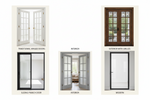
French doors are a popular architectural feature that combines elegance with functionality. Known for their large glass panels and symmetrical design, they allow natural light to flow between spaces while improving the visual connection between rooms or outdoor areas. Understanding the different types of French doors helps homeowners choose the right style, configuration, and material for both interior and exterior installations.
What Are French Doors
French doors are double doors featuring multiple glass panels framed within wood, steel, or fiberglass structures. They are traditionally installed in pairs that open from the center, creating a wide opening that connects two spaces. French doors are widely used for patios, balconies, interior room dividers, and garden entrances because they provide both accessibility and aesthetic value.
Their design allows more natural light to enter a home compared to solid doors. This characteristic makes them especially popular in living rooms, dining areas, and spaces that connect indoor and outdoor environments.
To understand how door components work together structurally, see more:
https://doorsandbeyond.com/blogs/blog/the-essential-parts-of-a-door-all-you-need-to-know

Main Types of French Doors
French doors can be categorized based on how they open and operate. Each type offers different advantages depending on space availability, installation location, and design preferences. Understanding these operational differences helps homeowners select the most suitable option for their layout.
Hinged French Doors
Hinged French doors are the most traditional and widely used style. Two door panels are attached to hinges on opposite sides of the frame and swing open from the center. This configuration creates a classic symmetrical appearance and allows a wide entryway when both panels are opened.
Hinged doors are commonly installed between interior rooms or leading to patios because they provide an elegant transition between spaces. They require adequate clearance in front of the doorway to allow the panels to swing freely.

Sliding French Doors
Sliding French doors operate by moving along a horizontal track instead of swinging outward. One or two panels slide sideways, making them ideal for homes with limited space around the doorway.
This style is commonly used for patios or balconies because it allows a wide glass surface without requiring extra clearance. Sliding French doors are also valued for their modern look and efficient use of space.

Bifold French Doors
Bifold French doors consist of several panels connected by hinges that fold together when opened. When fully opened, the panels stack neatly to the side, creating a large unobstructed opening.
This type is often used to connect indoor living spaces with outdoor patios or garden areas. Bifold doors maximize airflow and create a seamless transition between interior and exterior environments.

Pocket French Doors
Pocket French doors slide into hidden compartments inside the wall when opened. This design eliminates the need for swing clearance and keeps the doorway completely open.
Pocket doors are often used inside homes where space efficiency is important. They work well as room dividers or for connecting small areas such as home offices, bathrooms, or closets.

Single Panel French Doors
Single panel French doors feature one active door with glass panels, while the other side remains fixed or uses a standard door frame. This design keeps the traditional French door aesthetic but requires less installation space.
They are frequently used in smaller interior openings where a full double door configuration is unnecessary.

Comparison of French Door Types
|
Door Type |
Best Use |
Space Requirement |
Common Location |
|
Hinged French doors |
Traditional openings |
Requires swing clearance |
Interior rooms, patios |
|
Sliding French doors |
Limited space areas |
Minimal clearance |
Patio, balcony |
|
Bifold French doors |
Wide openings |
Folding panel space |
Patio connection |
|
Pocket French doors |
Space saving interior |
Wall cavity needed |
Interior room divider |
|
Single panel French doors |
Narrow openings |
Small clearance |
Interior doorway |
These types of French doors differ mainly in their opening mechanism and space requirements. Choosing the correct type depends on available room layout, desired aesthetic style, and how frequently the doorway will be used.
Types of French Doors by Design Style
Besides operational types, French doors are also available in various design styles. These styles affect the visual appearance of the door and determine how well it complements the surrounding architecture.
Traditional French Doors
Traditional French doors feature multiple small glass panes separated by wooden or metal muntins, creating the iconic grid pattern commonly associated with classic architecture. This timeless design works particularly well in colonial, farmhouse, and traditional homes. The symmetrical layout and framed panels add elegance while allowing natural light to pass through interior spaces.

Modern French Doors
Modern French doors emphasize simplicity and clean architectural lines. Instead of multiple divided panes, they often feature large uninterrupted glass panels combined with slim metal or aluminum frames. This minimalist approach maximizes natural light and creates a sleek appearance, making modern French doors ideal for contemporary homes and open concept living spaces.
Rustic French Doors
Rustic French doors highlight natural materials and textured finishes that create a warm, inviting atmosphere. They are commonly built with solid wood frames featuring visible grain patterns, distressed finishes, or handcrafted detailing. Rustic styles pair well with farmhouse, cottage, and country inspired interiors while maintaining the classic functionality of French doors.

Industrial Style French Doors
Industrial style French doors are characterized by strong metal frames, often made of steel, combined with grid style glass panels. This design creates a bold architectural statement while maintaining the openness of glass doors. Industrial French doors are frequently used in loft apartments, modern homes, and contemporary office spaces.
|
Style |
Key Features |
Best Interior Design |
|
Traditional |
Divided glass panes |
Classic homes |
|
Modern |
Large glass panels |
Contemporary homes |
|
Rustic |
Natural wood finish |
Farmhouse interiors |
|
Industrial |
Steel frames and grids |
Loft and modern spaces |
These design styles allow homeowners to match French doors with the architectural character of their home while maintaining the functional benefits of glass panel doors.
Interior vs Exterior French Doors
French doors are designed differently depending on whether they are installed inside the home or used as exterior entrances. Exterior doors require stronger materials and better insulation to withstand weather conditions.
|
Feature |
Interior French Doors |
Exterior French Doors |
|
Construction |
Lightweight frame |
Reinforced frame |
|
Glass |
Standard glass panels |
Insulated or tempered glass |
|
Weather protection |
Not required |
Sealing and insulation |
|
Security |
Basic locks |
Multi point locking systems |
Interior French doors prioritize design and space separation, while exterior French doors must provide durability, insulation, and security.
To explore door movement systems commonly used with interior installations, see more:
https://doorsandbeyond.com/blogs/blog/types-of-swing-doors
French Door Materials Comparison
French doors are manufactured using several materials, each offering different benefits related to durability, insulation, and maintenance.
|
Material |
Durability |
Maintenance |
Best Use |
|
Wood |
Moderate |
Regular maintenance |
Interior design |
|
Fiberglass |
High |
Low maintenance |
Exterior installations |
|
Steel |
Very high |
Minimal |
Security focused doors |
|
Aluminum |
Moderate |
Low |
Modern design |
Wood doors provide natural beauty but require more maintenance. Fiberglass and steel doors offer better insulation and durability, making them more suitable for exterior French door installations.
How to Choose the Right Type of French Door
Selecting the right type of French door depends on the available space, the intended location, and the design style of the home. Understanding these factors helps homeowners choose a door that functions efficiently while improving the overall layout.
|
Situation |
Recommended Door Type |
|
Patio entrance |
Hinged or bifold French doors |
|
Small rooms |
Sliding or pocket French doors |
|
Room divider |
Hinged interior French doors |
|
Modern homes |
Sliding or modern framed doors |
Matching the door type with the specific use case ensures the installation works smoothly and complements the surrounding architecture.
Best French Door Types for Different Homes
Different homes benefit from different types of French doors depending on layout and architectural design. Smaller homes often use sliding or pocket French doors because they save space and maintain an open feel. Larger homes frequently use hinged or bifold doors to create dramatic openings between living areas and outdoor patios.
Selecting the right type of French door for your home ensures the doorway remains practical while enhancing natural light and visual flow throughout the space.
For a deeper understanding of installation considerations, see more:
https://doorsandbeyond.com/blogs/blog/how-to-install-french-doors

Common Questions About French Door Types
What are the most common types of French doors
The most common types of French doors include hinged French doors, sliding French doors, bifold doors, pocket doors, and single panel designs. Each option offers different benefits based on available space and architectural layout.
Are sliding French doors better than hinged doors
Sliding French doors are better for limited spaces because they do not require swing clearance. Hinged French doors, however, provide a more traditional appearance and allow wider openings when both panels are opened.
Which French doors are best for exterior use
Exterior French doors are typically made from fiberglass or steel and include insulated glass panels, weather sealing, and stronger locking systems to improve durability and energy efficiency.
Conclusion
Understanding the different types of French doors makes it easier to choose the right design for your home. From traditional hinged doors to space saving sliding and pocket designs, each option offers unique advantages. By evaluating factors such as space, materials, and architectural style, homeowners can select French doors that improve both functionality and visual appeal while creating brighter and more connected living spaces.
Types of French Doors: Styles, Designs and Buying Guide

French doors are a popular architectural feature that combines elegance with functionality. Known for their large glass panels and symmetrical design, they allow natural light to flow between spaces while improving the visual connection between rooms or outdoor areas. Understanding the different types of French doors helps homeowners choose the right style, configuration, and material for both interior and exterior installations.
What Are French Doors
French doors are double doors featuring multiple glass panels framed within wood, steel, or fiberglass structures. They are traditionally installed in pairs that open from the center, creating a wide opening that connects two spaces. French doors are widely used for patios, balconies, interior room dividers, and garden entrances because they provide both accessibility and aesthetic value.
Their design allows more natural light to enter a home compared to solid doors. This characteristic makes them especially popular in living rooms, dining areas, and spaces that connect indoor and outdoor environments.
To understand how door components work together structurally, see more:
https://doorsandbeyond.com/blogs/blog/the-essential-parts-of-a-door-all-you-need-to-know
Main Types of French Doors
French doors can be categorized based on how they open and operate. Each type offers different advantages depending on space availability, installation location, and design preferences. Understanding these operational differences helps homeowners select the most suitable option for their layout.
Hinged French Doors
Hinged French doors are the most traditional and widely used style. Two door panels are attached to hinges on opposite sides of the frame and swing open from the center. This configuration creates a classic symmetrical appearance and allows a wide entryway when both panels are opened.
Hinged doors are commonly installed between interior rooms or leading to patios because they provide an elegant transition between spaces. They require adequate clearance in front of the doorway to allow the panels to swing freely.
Sliding French Doors
Sliding French doors operate by moving along a horizontal track instead of swinging outward. One or two panels slide sideways, making them ideal for homes with limited space around the doorway.
This style is commonly used for patios or balconies because it allows a wide glass surface without requiring extra clearance. Sliding French doors are also valued for their modern look and efficient use of space.
Bifold French Doors
Bifold French doors consist of several panels connected by hinges that fold together when opened. When fully opened, the panels stack neatly to the side, creating a large unobstructed opening.
This type is often used to connect indoor living spaces with outdoor patios or garden areas. Bifold doors maximize airflow and create a seamless transition between interior and exterior environments.
Pocket French Doors
Pocket French doors slide into hidden compartments inside the wall when opened. This design eliminates the need for swing clearance and keeps the doorway completely open.
Pocket doors are often used inside homes where space efficiency is important. They work well as room dividers or for connecting small areas such as home offices, bathrooms, or closets.
Single Panel French Doors
Single panel French doors feature one active door with glass panels, while the other side remains fixed or uses a standard door frame. This design keeps the traditional French door aesthetic but requires less installation space.
They are frequently used in smaller interior openings where a full double door configuration is unnecessary.
Comparison of French Door Types
|
Door Type |
Best Use |
Space Requirement |
Common Location |
|
Hinged French doors |
Traditional openings |
Requires swing clearance |
Interior rooms, patios |
|
Sliding French doors |
Limited space areas |
Minimal clearance |
Patio, balcony |
|
Bifold French doors |
Wide openings |
Folding panel space |
Patio connection |
|
Pocket French doors |
Space saving interior |
Wall cavity needed |
Interior room divider |
|
Single panel French doors |
Narrow openings |
Small clearance |
Interior doorway |
These types of French doors differ mainly in their opening mechanism and space requirements. Choosing the correct type depends on available room layout, desired aesthetic style, and how frequently the doorway will be used.
Types of French Doors by Design Style
Besides operational types, French doors are also available in various design styles. These styles affect the visual appearance of the door and determine how well it complements the surrounding architecture.
Traditional French Doors
Traditional French doors feature multiple small glass panes separated by wooden or metal muntins, creating the iconic grid pattern commonly associated with classic architecture. This timeless design works particularly well in colonial, farmhouse, and traditional homes. The symmetrical layout and framed panels add elegance while allowing natural light to pass through interior spaces.
Modern French Doors
Modern French doors emphasize simplicity and clean architectural lines. Instead of multiple divided panes, they often feature large uninterrupted glass panels combined with slim metal or aluminum frames. This minimalist approach maximizes natural light and creates a sleek appearance, making modern French doors ideal for contemporary homes and open concept living spaces.
Rustic French Doors
Rustic French doors highlight natural materials and textured finishes that create a warm, inviting atmosphere. They are commonly built with solid wood frames featuring visible grain patterns, distressed finishes, or handcrafted detailing. Rustic styles pair well with farmhouse, cottage, and country inspired interiors while maintaining the classic functionality of French doors.
Industrial Style French Doors
Industrial style French doors are characterized by strong metal frames, often made of steel, combined with grid style glass panels. This design creates a bold architectural statement while maintaining the openness of glass doors. Industrial French doors are frequently used in loft apartments, modern homes, and contemporary office spaces.
|
Style |
Key Features |
Best Interior Design |
|
Traditional |
Divided glass panes |
Classic homes |
|
Modern |
Large glass panels |
Contemporary homes |
|
Rustic |
Natural wood finish |
Farmhouse interiors |
|
Industrial |
Steel frames and grids |
Loft and modern spaces |
These design styles allow homeowners to match French doors with the architectural character of their home while maintaining the functional benefits of glass panel doors.
Interior vs Exterior French Doors
French doors are designed differently depending on whether they are installed inside the home or used as exterior entrances. Exterior doors require stronger materials and better insulation to withstand weather conditions.
|
Feature |
Interior French Doors |
Exterior French Doors |
|
Construction |
Lightweight frame |
Reinforced frame |
|
Glass |
Standard glass panels |
Insulated or tempered glass |
|
Weather protection |
Not required |
Sealing and insulation |
|
Security |
Basic locks |
Multi point locking systems |
Interior French doors prioritize design and space separation, while exterior French doors must provide durability, insulation, and security.
To explore door movement systems commonly used with interior installations, see more:
https://doorsandbeyond.com/blogs/blog/types-of-swing-doors
French Door Materials Comparison
French doors are manufactured using several materials, each offering different benefits related to durability, insulation, and maintenance.
|
Material |
Durability |
Maintenance |
Best Use |
|
Wood |
Moderate |
Regular maintenance |
Interior design |
|
Fiberglass |
High |
Low maintenance |
Exterior installations |
|
Steel |
Very high |
Minimal |
Security focused doors |
|
Aluminum |
Moderate |
Low |
Modern design |
Wood doors provide natural beauty but require more maintenance. Fiberglass and steel doors offer better insulation and durability, making them more suitable for exterior French door installations.
How to Choose the Right Type of French Door
Selecting the right type of French door depends on the available space, the intended location, and the design style of the home. Understanding these factors helps homeowners choose a door that functions efficiently while improving the overall layout.
|
Situation |
Recommended Door Type |
|
Patio entrance |
Hinged or bifold French doors |
|
Small rooms |
Sliding or pocket French doors |
|
Room divider |
Hinged interior French doors |
|
Modern homes |
Sliding or modern framed doors |
Matching the door type with the specific use case ensures the installation works smoothly and complements the surrounding architecture.
Best French Door Types for Different Homes
Different homes benefit from different types of French doors depending on layout and architectural design. Smaller homes often use sliding or pocket French doors because they save space and maintain an open feel. Larger homes frequently use hinged or bifold doors to create dramatic openings between living areas and outdoor patios.
Selecting the right type of French door for your home ensures the doorway remains practical while enhancing natural light and visual flow throughout the space.
For a deeper understanding of installation considerations, see more:
https://doorsandbeyond.com/blogs/blog/how-to-install-french-doors
Common Questions About French Door Types
What are the most common types of French doors
The most common types of French doors include hinged French doors, sliding French doors, bifold doors, pocket doors, and single panel designs. Each option offers different benefits based on available space and architectural layout.
Are sliding French doors better than hinged doors
Sliding French doors are better for limited spaces because they do not require swing clearance. Hinged French doors, however, provide a more traditional appearance and allow wider openings when both panels are opened.
Which French doors are best for exterior use
Exterior French doors are typically made from fiberglass or steel and include insulated glass panels, weather sealing, and stronger locking systems to improve durability and energy efficiency.
Conclusion
Understanding the different types of French doors makes it easier to choose the right design for your home. From traditional hinged doors to space saving sliding and pocket designs, each option offers unique advantages. By evaluating factors such as space, materials, and architectural style, homeowners can select French doors that improve both functionality and visual appeal while creating brighter and more connected living spaces.
Recent Post

Rough Opening for Bypass Doors: The Correct Formula, Standard Size Table, and How to Measure
Read More
Door Slab vs Prehung: What's the Difference and Which One Is Right for Your Project?
Read More
