


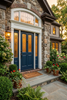
Your front door is the first thing visitors see and the last line of defense between your home and the outside world. Choosing the right type makes a measurable difference in security, energy bills, and curb appeal. But most guides simply list materials without telling you which one actually fits your situation. This guide cuts through the noise by matching door types to your specific priorities so you can make a confident decision.
The best type of door for a front door depends on your top priority. Steel doors offer the highest security. Fiberglass doors deliver the best balance of energy efficiency, low maintenance, and durability. Wood doors provide the most design flexibility and visual warmth. For most US homeowners replacing a main entry door, fiberglass is the strongest all-around choice.

Why Your Front Door Type Matters More Than Most Homeowners Realize
The front door is not just an aesthetic choice. It accounts for a significant portion of a home's air leakage, plays a direct role in how easily an intruder can force entry, and sets the visual tone for the entire exterior. According to Remodeling Magazine's annual Cost vs. Value Report, a steel front door replacement consistently delivers among the highest returns of any home improvement project, often recouping over 100 percent of the project cost at resale.
Getting the door type wrong means paying more in energy costs, spending weekends on maintenance, or replacing a door far sooner than expected. The decision comes down to four materials, each with a genuinely different performance profile.
The 4 Main Types of Front Doors: What Each One Actually Offers
Most front doors fall into one of four material categories. Understanding what each material is built to do, and where it falls short, is the foundation of making the right choice for your main entry.
Fiberglass Front Doors
Fiberglass is the most versatile front door material available today. It is constructed from two molded fiberglass skins filled with a dense polyurethane foam core, which gives it an R-value of R-6 to R-8, roughly five times the insulating performance of a standard wood door. Fiberglass does not rust, rot, warp, or dent under normal conditions, and it can be molded to replicate wood grain so accurately that most observers cannot tell the difference at close range.
The material handles humidity and temperature swings better than any other option, which is why it is the preferred choice in climates with extreme heat, cold, or moisture. The main trade-off is cost: quality fiberglass doors sit above steel in price and require a professional installer to deliver their full benefit.
Steel Front Doors
Steel is the most secure front door material in standard residential construction. A steel door slab is harder to kick in, split, or force open than wood or fiberglass, and most steel doors ship with reinforced deadbolt areas and multi-point locking compatibility. Steel is also the most budget-friendly option among quality front door materials, typically starting well below comparable fiberglass units.
The main limitations of steel are susceptibility to dents and rust if the surface finish is damaged, and a lower insulation baseline than fiberglass unless the door is specified with a premium foam core. Steel also expands and contracts slightly with temperature, which can affect the door seal over time in regions with large seasonal temperature swings.

Wood Front Doors
Solid wood front doors offer design possibilities that no other material can fully replicate. They can be carved, shaped, stained, or painted in ways that fiberglass and steel cannot match, and a quality hardwood door in a well-maintained finish adds genuine warmth and character to a home's entry. Mahogany, oak, and fir are among the most common species used for exterior doors.
Wood demands more maintenance than any other front door material. It requires periodic refinishing to prevent moisture infiltration, is prone to warping in high-humidity climates, and will absorb damage more readily than steel or fiberglass. For homeowners who value aesthetics above all and are willing to invest in upkeep, wood remains a compelling choice. For everyone else, fiberglass provides nearly identical visual results with far less ongoing work.
See more: Types of Door Material: What Works Best for Your Home on the Doors and Beyond blog.
Wrought Iron and Steel Security Doors
Wrought iron and heavy steel security doors occupy a separate category from standard entry doors. These units are engineered specifically for maximum forced-entry resistance, combining thick steel construction with reinforced frames, multi-point locking systems, and in many cases decorative ironwork that adds curb appeal alongside the security benefit. They are a strong fit for homes in high-traffic urban areas, high-value properties, or any application where the main door is expected to serve as the primary security barrier.
Iron and steel security doors are heavier than standard doors and require a properly reinforced frame and professional installation to perform correctly. They are also available in configurations that include decorative glass panels, sidelights, and transoms, making them a viable choice for high-design entries that cannot sacrifice security.
How to Choose the Best Front Door Type Based on Your Top Priority
Most homeowners have one or two priorities that matter more than the rest. Rather than reading through a list of materials and trying to match them to your needs, the table below maps each priority directly to the best and second-best door material so you can identify your answer in under a minute.
|
Your Top Priority |
Best Door Type |
Runner-Up |
Key Reason |
|
Security |
Steel or wrought iron |
Fiberglass (solid) |
Steel resists forced entry best; iron adds visual deterrence |
|
Energy efficiency |
Fiberglass |
Steel (insulated core) |
R-6 to R-8 foam core; tight dimensional stability reduces air gaps |
|
Low maintenance |
Fiberglass |
Steel (painted finish) |
No refinishing, no rust risk, no warping over time |
|
Curb appeal and design |
Wood |
Fiberglass (wood-grain) |
Unlimited carving, staining, custom profiles; fiberglass mimics wood well |
|
Budget (best value) |
Steel |
Fiberglass (entry-level) |
Lower upfront cost; high ROI on replacement at resale |
|
Extreme climate performance |
Fiberglass |
Steel (insulated) |
Handles humidity, heat, cold, and UV without warping or rusting |
|
Maximum security + style |
Wrought iron / steel security |
Steel with decorative glass |
Combines strength with architectural presence |
The table above covers the most common decision points. Security and energy efficiency are the two priorities that most US homeowners cite when replacing a main entry door, and fiberglass satisfies both at a high level. Steel is the right answer when budget is the constraint or when forced-entry resistance is the single non-negotiable. Wood earns its place when design is paramount and the homeowner is prepared for the maintenance commitment it requires.
Front Door Style and Configuration: Matching Material to Your Home
Choosing a door material is only part of the decision. The style and configuration of the door, meaning whether it is a single slab, a double door, or a door with sidelights and transoms, interacts directly with the material choice and with the architectural character of your home.

Modern and Contemporary Homes
Modern architecture favors clean lines, minimal ornamentation, and large expanses of glass. Steel and fiberglass both perform well in modern entry applications. Steel security doors in flat-panel configurations are a natural fit for modern facades, offering security alongside a sharp, architectural look. Fiberglass doors with full-lite or partial-lite glass panels bring light into the entry and maintain the clean profile that contemporary design requires. Wood can work in a modern context but typically requires a custom door to achieve the right proportions and finish.
Traditional and Craftsman Homes
Traditional, colonial, and craftsman-style homes call for doors with panel profiles, raised moldings, or divided-lite glass that echo the home's architectural detail. Wood is the natural material choice here for homeowners who want authenticity, but fiberglass in a wood-grain finish performs nearly as well visually while eliminating the maintenance burden. Steel in a paneled profile is also available in this category and remains a cost-effective route to a traditional look.
Single Door vs. Double Door vs. Door with Sidelights
A single pre-hung door is the standard configuration and works well for most residential entries. A double door creates a more formal or grand entry and is typically used for wider openings exceeding 72 inches. Both fiberglass and steel are available in double-door configurations with multi-point locking systems that maintain security across the full width of the opening.
Sidelights, the narrow glass panels flanking the main door slab, significantly affect both light and security. Any glass panel adjacent to a lock cylinder creates a vulnerability if not fitted with laminated or tempered security glass. When security is a top priority and sidelights are wanted for light, specifying impact-rated glass in the sidelight units eliminates the trade-off. Iron and steel security doors with sidelights address this directly by integrating heavy steel framing around reinforced glass as part of the unit.
See more: What Is a Prehung Interior Door — understanding pre-hung configurations for both interior and exterior applications.
Longevity, Maintenance, and Return on Investment by Door Type
The upfront cost of a front door is only one part of the financial picture. How long the door lasts, how much it costs to maintain over that lifespan, and how much of the investment comes back at resale all factor into the true value of each material choice.
|
Material |
Avg Lifespan |
Maintenance Level |
Est. ROI at Resale |
Notes |
|
Fiberglass |
30+ years |
Low |
Good |
Paint or stain every 5-10 yrs; no rot or rust |
|
Steel |
25-30 years |
Low-Moderate |
Excellent (often 100%+) |
Touch up paint at chips/scratches to prevent rust |
|
Wood |
20-30 years |
High |
Good (varies by wood) |
Refinish every 1-3 yrs; inspect for moisture annually |
|
Wrought iron / steel security |
30-50+ years |
Low |
High (premium properties) |
Powder-coat finish resists rust; hardware check annually |
Steel front door replacement consistently ranks among the highest-ROI home improvement projects in the annual Cost vs. Value Report, largely because buyers perceive security and energy efficiency improvements immediately. Fiberglass delivers comparable or better long-term value in climates where energy costs are high or where wood would deteriorate quickly. Wood's ROI varies significantly by quality of installation, maintenance history, and local buyer preferences.
For guidance on keeping any exterior door performing at its best year after year, see: How to Weatherproof an Exterior Door: A Complete Step-by-Step Guide on the Doors and Beyond blog.
So, What Is the Best Type of Door for a Front Entry?
For the majority of US homeowners replacing a main entry door, fiberglass is the strongest all-around choice. It handles the widest range of climates, requires the least maintenance, delivers excellent energy performance, and is available in styles that suit virtually any home architecture. The higher upfront cost relative to steel is typically recovered through lower energy bills and virtually zero refinishing expense over the door's lifespan.
Steel is the right answer when security is the single most important factor or when budget constraints are real. A quality steel door with an insulated core and a reinforced deadbolt zone delivers performance that exceeds what most homeowners expect at the price point. Wrought iron and steel security doors are the correct choice for high-value entries or urban properties where maximum forced-entry resistance is the design brief.
Wood earns its place for homeowners who genuinely value architectural authenticity, live in moderate climates, and are committed to a regular maintenance schedule. For those who want the look of wood without the upkeep, a fiberglass door in a wood-grain finish is the practical alternative.

Frequently Asked Questions
What is the most secure type of front door?
Steel and wrought iron are the most secure front door materials. A solid steel door slab with a reinforced deadbolt zone and multi-point locking hardware is extremely difficult to force open. Heavy wrought iron and steel security doors take that a step further with thicker gauge construction and reinforced frame systems designed specifically for forced-entry resistance. For standard residential use, a quality steel door with a steel frame and heavy-duty hardware provides a level of security that exceeds most threat scenarios.
Which front door type is best for energy efficiency?
Fiberglass is the best front door material for energy efficiency. The polyurethane foam core in a quality fiberglass door delivers an R-value of R-6 to R-8, significantly outperforming wood and standard steel. Steel doors with premium insulated cores close the gap considerably, but fiberglass also has better dimensional stability, which means the door seal maintains tighter contact with the frame through temperature changes.
How long does a fiberglass front door last?
A quality fiberglass front door typically lasts 30 years or more with minimal maintenance. Unlike wood, it does not absorb moisture or warp, and unlike steel, it does not rust if the surface finish is scratched. Periodic repainting or restaining every five to ten years is the primary maintenance task, along with periodic weatherstripping replacement as the seals compress over time.
Is a steel or fiberglass door better for the main entry?
It depends on your top priority. Steel is better if maximum security or lowest cost is the primary goal. Fiberglass is better if energy efficiency, low maintenance, and long-term durability are the priorities. For most homeowners replacing a main entry door who do not have an extreme security concern, fiberglass offers a broader set of advantages over the door's lifespan.
What type of exterior door is best for extreme weather?
Fiberglass performs best in extreme weather conditions. It does not warp in high humidity, does not expand and contract significantly in extreme cold or heat, and does not rust in wet coastal environments. Steel is a solid performer in cold climates but requires attention to rust prevention in humid or salty air. Wood is the most vulnerable material in extreme weather and requires the most frequent maintenance in climates with high humidity or wide temperature swings.
Does the front door material affect home resale value?
Yes, measurably. Remodeling Magazine's annual Cost vs. Value Report consistently shows that steel front door replacement delivers one of the best returns of any exterior renovation, often recovering more than 100 percent of the project cost at resale. Fiberglass also delivers strong returns, particularly in energy-conscious markets. The condition of the door matters as much as the material: a well-maintained fiberglass or steel door adds more value than a worn wood door regardless of the original material's prestige.
For a detailed look at how door material affects long-term maintenance decisions, see: Door Parts Names: A Complete Glossary — understanding every component of your entry door system.
The best type of front door is the one that matches your priorities, your climate, and your home's architecture. Fiberglass leads for most homeowners on overall performance, steel leads on security and value, wood leads on design authenticity, and wrought iron leads when maximum security and curb presence are both required. Matching the right material to the right priorities produces a front door that performs for decades without unexpected cost or regret.
Ready to find the right front door? Explore modern front doors, fiberglass front doors, steel security doors, and wrought iron entry doors at Doors and Beyond. Visit doorsandbeyond.com/collections/exterior-doors or call 888-221-7848 to speak with a door specialist.
What Type of Door Is Best for a Front Door? A Complete Guide by Priority

Your front door is the first thing visitors see and the last line of defense between your home and the outside world. Choosing the right type makes a measurable difference in security, energy bills, and curb appeal. But most guides simply list materials without telling you which one actually fits your situation. This guide cuts through the noise by matching door types to your specific priorities so you can make a confident decision.
The best type of door for a front door depends on your top priority. Steel doors offer the highest security. Fiberglass doors deliver the best balance of energy efficiency, low maintenance, and durability. Wood doors provide the most design flexibility and visual warmth. For most US homeowners replacing a main entry door, fiberglass is the strongest all-around choice.
Why Your Front Door Type Matters More Than Most Homeowners Realize
The front door is not just an aesthetic choice. It accounts for a significant portion of a home's air leakage, plays a direct role in how easily an intruder can force entry, and sets the visual tone for the entire exterior. According to Remodeling Magazine's annual Cost vs. Value Report, a steel front door replacement consistently delivers among the highest returns of any home improvement project, often recouping over 100 percent of the project cost at resale.
Getting the door type wrong means paying more in energy costs, spending weekends on maintenance, or replacing a door far sooner than expected. The decision comes down to four materials, each with a genuinely different performance profile.
The 4 Main Types of Front Doors: What Each One Actually Offers
Most front doors fall into one of four material categories. Understanding what each material is built to do, and where it falls short, is the foundation of making the right choice for your main entry.
Fiberglass Front Doors
Fiberglass is the most versatile front door material available today. It is constructed from two molded fiberglass skins filled with a dense polyurethane foam core, which gives it an R-value of R-6 to R-8, roughly five times the insulating performance of a standard wood door. Fiberglass does not rust, rot, warp, or dent under normal conditions, and it can be molded to replicate wood grain so accurately that most observers cannot tell the difference at close range.
The material handles humidity and temperature swings better than any other option, which is why it is the preferred choice in climates with extreme heat, cold, or moisture. The main trade-off is cost: quality fiberglass doors sit above steel in price and require a professional installer to deliver their full benefit.
Steel Front Doors
Steel is the most secure front door material in standard residential construction. A steel door slab is harder to kick in, split, or force open than wood or fiberglass, and most steel doors ship with reinforced deadbolt areas and multi-point locking compatibility. Steel is also the most budget-friendly option among quality front door materials, typically starting well below comparable fiberglass units.
The main limitations of steel are susceptibility to dents and rust if the surface finish is damaged, and a lower insulation baseline than fiberglass unless the door is specified with a premium foam core. Steel also expands and contracts slightly with temperature, which can affect the door seal over time in regions with large seasonal temperature swings.
Wood Front Doors
Solid wood front doors offer design possibilities that no other material can fully replicate. They can be carved, shaped, stained, or painted in ways that fiberglass and steel cannot match, and a quality hardwood door in a well-maintained finish adds genuine warmth and character to a home's entry. Mahogany, oak, and fir are among the most common species used for exterior doors.
Wood demands more maintenance than any other front door material. It requires periodic refinishing to prevent moisture infiltration, is prone to warping in high-humidity climates, and will absorb damage more readily than steel or fiberglass. For homeowners who value aesthetics above all and are willing to invest in upkeep, wood remains a compelling choice. For everyone else, fiberglass provides nearly identical visual results with far less ongoing work.
See more: Types of Door Material: What Works Best for Your Home on the Doors and Beyond blog.
Wrought Iron and Steel Security Doors
Wrought iron and heavy steel security doors occupy a separate category from standard entry doors. These units are engineered specifically for maximum forced-entry resistance, combining thick steel construction with reinforced frames, multi-point locking systems, and in many cases decorative ironwork that adds curb appeal alongside the security benefit. They are a strong fit for homes in high-traffic urban areas, high-value properties, or any application where the main door is expected to serve as the primary security barrier.
Iron and steel security doors are heavier than standard doors and require a properly reinforced frame and professional installation to perform correctly. They are also available in configurations that include decorative glass panels, sidelights, and transoms, making them a viable choice for high-design entries that cannot sacrifice security.
How to Choose the Best Front Door Type Based on Your Top Priority
Most homeowners have one or two priorities that matter more than the rest. Rather than reading through a list of materials and trying to match them to your needs, the table below maps each priority directly to the best and second-best door material so you can identify your answer in under a minute.
|
Your Top Priority |
Best Door Type |
Runner-Up |
Key Reason |
|
Security |
Steel or wrought iron |
Fiberglass (solid) |
Steel resists forced entry best; iron adds visual deterrence |
|
Energy efficiency |
Fiberglass |
Steel (insulated core) |
R-6 to R-8 foam core; tight dimensional stability reduces air gaps |
|
Low maintenance |
Fiberglass |
Steel (painted finish) |
No refinishing, no rust risk, no warping over time |
|
Curb appeal and design |
Wood |
Fiberglass (wood-grain) |
Unlimited carving, staining, custom profiles; fiberglass mimics wood well |
|
Budget (best value) |
Steel |
Fiberglass (entry-level) |
Lower upfront cost; high ROI on replacement at resale |
|
Extreme climate performance |
Fiberglass |
Steel (insulated) |
Handles humidity, heat, cold, and UV without warping or rusting |
|
Maximum security + style |
Wrought iron / steel security |
Steel with decorative glass |
Combines strength with architectural presence |
The table above covers the most common decision points. Security and energy efficiency are the two priorities that most US homeowners cite when replacing a main entry door, and fiberglass satisfies both at a high level. Steel is the right answer when budget is the constraint or when forced-entry resistance is the single non-negotiable. Wood earns its place when design is paramount and the homeowner is prepared for the maintenance commitment it requires.
Front Door Style and Configuration: Matching Material to Your Home
Choosing a door material is only part of the decision. The style and configuration of the door, meaning whether it is a single slab, a double door, or a door with sidelights and transoms, interacts directly with the material choice and with the architectural character of your home.
Modern and Contemporary Homes
Modern architecture favors clean lines, minimal ornamentation, and large expanses of glass. Steel and fiberglass both perform well in modern entry applications. Steel security doors in flat-panel configurations are a natural fit for modern facades, offering security alongside a sharp, architectural look. Fiberglass doors with full-lite or partial-lite glass panels bring light into the entry and maintain the clean profile that contemporary design requires. Wood can work in a modern context but typically requires a custom door to achieve the right proportions and finish.
Traditional and Craftsman Homes
Traditional, colonial, and craftsman-style homes call for doors with panel profiles, raised moldings, or divided-lite glass that echo the home's architectural detail. Wood is the natural material choice here for homeowners who want authenticity, but fiberglass in a wood-grain finish performs nearly as well visually while eliminating the maintenance burden. Steel in a paneled profile is also available in this category and remains a cost-effective route to a traditional look.
Single Door vs. Double Door vs. Door with Sidelights
A single pre-hung door is the standard configuration and works well for most residential entries. A double door creates a more formal or grand entry and is typically used for wider openings exceeding 72 inches. Both fiberglass and steel are available in double-door configurations with multi-point locking systems that maintain security across the full width of the opening.
Sidelights, the narrow glass panels flanking the main door slab, significantly affect both light and security. Any glass panel adjacent to a lock cylinder creates a vulnerability if not fitted with laminated or tempered security glass. When security is a top priority and sidelights are wanted for light, specifying impact-rated glass in the sidelight units eliminates the trade-off. Iron and steel security doors with sidelights address this directly by integrating heavy steel framing around reinforced glass as part of the unit.
See more: What Is a Prehung Interior Door — understanding pre-hung configurations for both interior and exterior applications.
Longevity, Maintenance, and Return on Investment by Door Type
The upfront cost of a front door is only one part of the financial picture. How long the door lasts, how much it costs to maintain over that lifespan, and how much of the investment comes back at resale all factor into the true value of each material choice.
|
Material |
Avg Lifespan |
Maintenance Level |
Est. ROI at Resale |
Notes |
|
Fiberglass |
30+ years |
Low |
Good |
Paint or stain every 5-10 yrs; no rot or rust |
|
Steel |
25-30 years |
Low-Moderate |
Excellent (often 100%+) |
Touch up paint at chips/scratches to prevent rust |
|
Wood |
20-30 years |
High |
Good (varies by wood) |
Refinish every 1-3 yrs; inspect for moisture annually |
|
Wrought iron / steel security |
30-50+ years |
Low |
High (premium properties) |
Powder-coat finish resists rust; hardware check annually |
Steel front door replacement consistently ranks among the highest-ROI home improvement projects in the annual Cost vs. Value Report, largely because buyers perceive security and energy efficiency improvements immediately. Fiberglass delivers comparable or better long-term value in climates where energy costs are high or where wood would deteriorate quickly. Wood's ROI varies significantly by quality of installation, maintenance history, and local buyer preferences.
For guidance on keeping any exterior door performing at its best year after year, see: How to Weatherproof an Exterior Door: A Complete Step-by-Step Guide on the Doors and Beyond blog.
So, What Is the Best Type of Door for a Front Entry?
For the majority of US homeowners replacing a main entry door, fiberglass is the strongest all-around choice. It handles the widest range of climates, requires the least maintenance, delivers excellent energy performance, and is available in styles that suit virtually any home architecture. The higher upfront cost relative to steel is typically recovered through lower energy bills and virtually zero refinishing expense over the door's lifespan.
Steel is the right answer when security is the single most important factor or when budget constraints are real. A quality steel door with an insulated core and a reinforced deadbolt zone delivers performance that exceeds what most homeowners expect at the price point. Wrought iron and steel security doors are the correct choice for high-value entries or urban properties where maximum forced-entry resistance is the design brief.
Wood earns its place for homeowners who genuinely value architectural authenticity, live in moderate climates, and are committed to a regular maintenance schedule. For those who want the look of wood without the upkeep, a fiberglass door in a wood-grain finish is the practical alternative.
Frequently Asked Questions
What is the most secure type of front door?
Steel and wrought iron are the most secure front door materials. A solid steel door slab with a reinforced deadbolt zone and multi-point locking hardware is extremely difficult to force open. Heavy wrought iron and steel security doors take that a step further with thicker gauge construction and reinforced frame systems designed specifically for forced-entry resistance. For standard residential use, a quality steel door with a steel frame and heavy-duty hardware provides a level of security that exceeds most threat scenarios.
Which front door type is best for energy efficiency?
Fiberglass is the best front door material for energy efficiency. The polyurethane foam core in a quality fiberglass door delivers an R-value of R-6 to R-8, significantly outperforming wood and standard steel. Steel doors with premium insulated cores close the gap considerably, but fiberglass also has better dimensional stability, which means the door seal maintains tighter contact with the frame through temperature changes.
How long does a fiberglass front door last?
A quality fiberglass front door typically lasts 30 years or more with minimal maintenance. Unlike wood, it does not absorb moisture or warp, and unlike steel, it does not rust if the surface finish is scratched. Periodic repainting or restaining every five to ten years is the primary maintenance task, along with periodic weatherstripping replacement as the seals compress over time.
Is a steel or fiberglass door better for the main entry?
It depends on your top priority. Steel is better if maximum security or lowest cost is the primary goal. Fiberglass is better if energy efficiency, low maintenance, and long-term durability are the priorities. For most homeowners replacing a main entry door who do not have an extreme security concern, fiberglass offers a broader set of advantages over the door's lifespan.
What type of exterior door is best for extreme weather?
Fiberglass performs best in extreme weather conditions. It does not warp in high humidity, does not expand and contract significantly in extreme cold or heat, and does not rust in wet coastal environments. Steel is a solid performer in cold climates but requires attention to rust prevention in humid or salty air. Wood is the most vulnerable material in extreme weather and requires the most frequent maintenance in climates with high humidity or wide temperature swings.
Does the front door material affect home resale value?
Yes, measurably. Remodeling Magazine's annual Cost vs. Value Report consistently shows that steel front door replacement delivers one of the best returns of any exterior renovation, often recovering more than 100 percent of the project cost at resale. Fiberglass also delivers strong returns, particularly in energy-conscious markets. The condition of the door matters as much as the material: a well-maintained fiberglass or steel door adds more value than a worn wood door regardless of the original material's prestige.
For a detailed look at how door material affects long-term maintenance decisions, see: Door Parts Names: A Complete Glossary — understanding every component of your entry door system.
The best type of front door is the one that matches your priorities, your climate, and your home's architecture. Fiberglass leads for most homeowners on overall performance, steel leads on security and value, wood leads on design authenticity, and wrought iron leads when maximum security and curb presence are both required. Matching the right material to the right priorities produces a front door that performs for decades without unexpected cost or regret.
Ready to find the right front door? Explore modern front doors, fiberglass front doors, steel security doors, and wrought iron entry doors at Doors and Beyond. Visit doorsandbeyond.com/collections/exterior-doors or call 888-221-7848 to speak with a door specialist.


